
Mountain Gorilla Conservation and How Your Trek Pays for It
There was a time when the future of the mountain gorilla looked painfully uncertain. Their numbers were falling, their forest habitat was under pressure, and every gorilla lost mattered to a population already confined to a small corner of East Africa.
Today, the story is very different. Mountain gorilla numbers have increased, and conservation has turned one of Africa’s most threatened great apes into one of its most remarkable wildlife recovery stories.
But gorillas do not survive simply because people love looking at them. Conservation needs money, people and a reason for the forests to remain standing.
Rangers have to protect gorilla families, researchers have to monitor their health and movements, forests have to be protected, and communities living around the parks need to see a real benefit from keeping gorilla habitat intact.
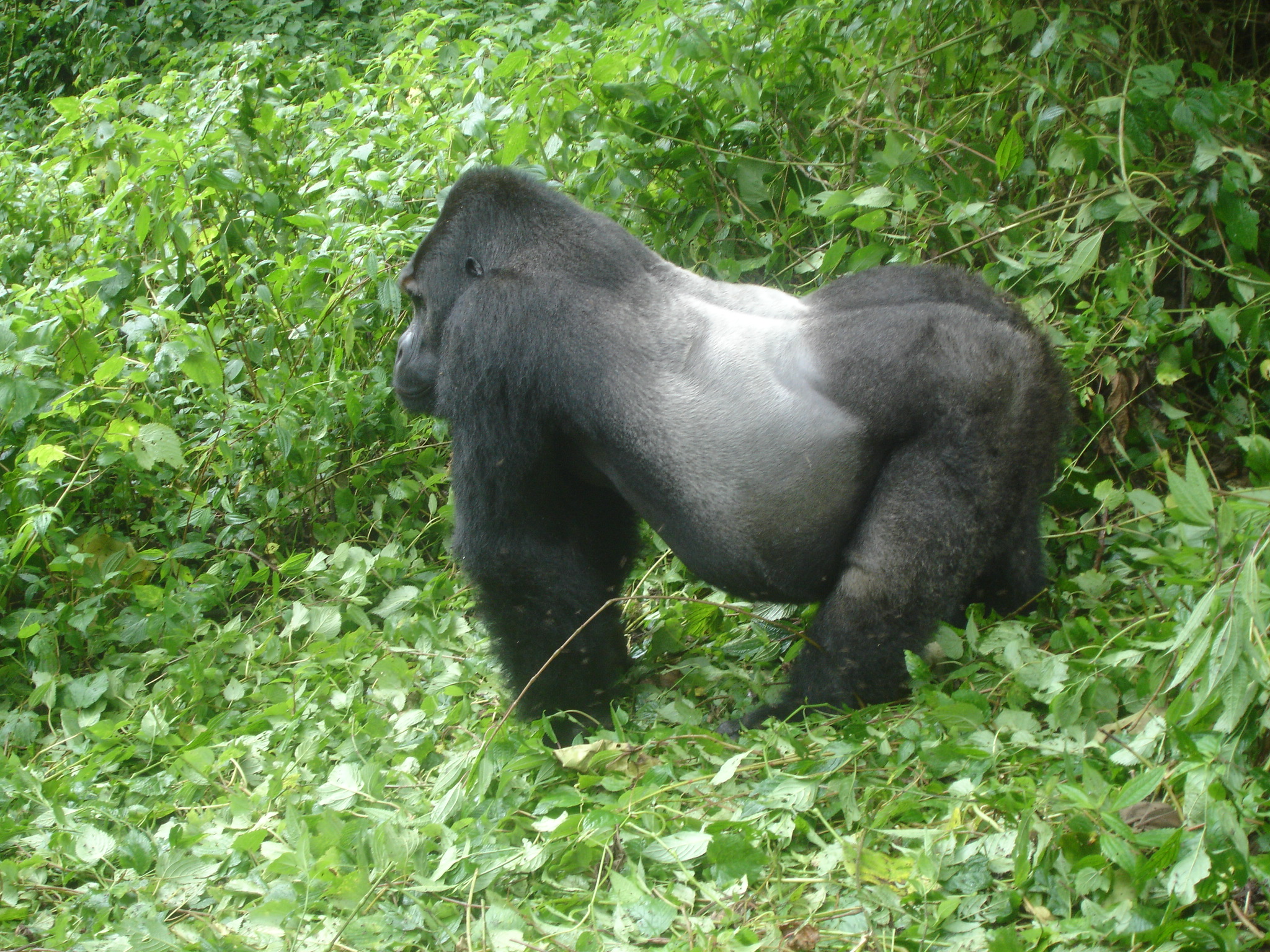 This is where gorilla tourism comes in.
Every time a traveler buys a gorilla trekking permit, books accommodation, hires a guide or spends money in a community around the park, that visit becomes part of a much bigger conservation economy.
The gorillas you come to see are not simply the attraction they are at the centre of a system designed to keep them protected and their forests alive.
So why does a gorilla permit cost so much? Where does that money actually go? How does tourism help protect the gorillas? And what happens to conservation when visitors stop coming?
Those questions are at the center of this story. Because when you trek into the forest to meet a mountain gorilla, you are not only watching one of the world’s rarest great apes. You are also paying into the effort to make sure there are still gorillas there for the next generation to find.
From Extinction to a Cautious Recovery
Mountain gorillas came frighteningly close to disappearing. In the early 1980s, the Virunga population had fallen to just 254 animals.
Decades of protection have changed that story: by 2018, the Virunga population had recovered to more than 600, while the Bwindi-Sarambwe population stood at 459. Together, the two populations pushed the global mountain-gorilla total to 1,063 animals.
That recovery did not happen by accident. Rangers increased protection and anti-poaching patrols, veterinarians responded to health problems, researchers monitored gorilla families, and conservation organizations worked with communities living around the forests.
Tourism also became part of that conservation effort, giving the forests and the gorillas an economic value that supports protection and creates opportunities for people living nearby.
Uganda Wildlife Authority says community engagement, law enforcement, ecological monitoring, veterinary work and tourism have all played a role in Uganda’s recovery.
But this is not a story with a completely happy ending yet. Mountain gorillas remain endangered, and their entire population is concentrated in a very small area of forest in Uganda, Rwanda and the Democratic Republic of Congo. The IUCN warns that disease, habitat pressure and renewed insecurity remain serious threats.
Why Permits Cost What They Do
A Uganda gorilla permit costs US$800, while a standard gorilla permit for a foreign visitor in Rwanda is US$1,500. Those prices are high compared with most wildlife experiences, but there is a reason for that.
Gorilla trekking is deliberately kept as a low-volume tourism activity, limiting the number of visitors who can meet the animals each day. In Rwanda, for example, only eight tracking permits are issued per gorilla troop per day.
The money also helps keep the conservation system running. Permit and park revenues support protected-area management and the wider work needed to keep gorilla habitat secure, including ranger operations, monitoring, research and community conservation.
Rwanda’s official tourism information says 10% of revenue from gorilla, safari and other tourist permits and park fees is directed to local communities.
Uganda has its own community revenue-sharing system. UWA says it shares 20% of annual park revenue with communities surrounding its national parks and wildlife reserves.
At Bwindi, it also shares US$10 from each gorilla-tracking permit sold. The money is channeled into projects such as schools, health centres, water facilities, roads and livelihood activities, with frontline communities receiving particular attention.
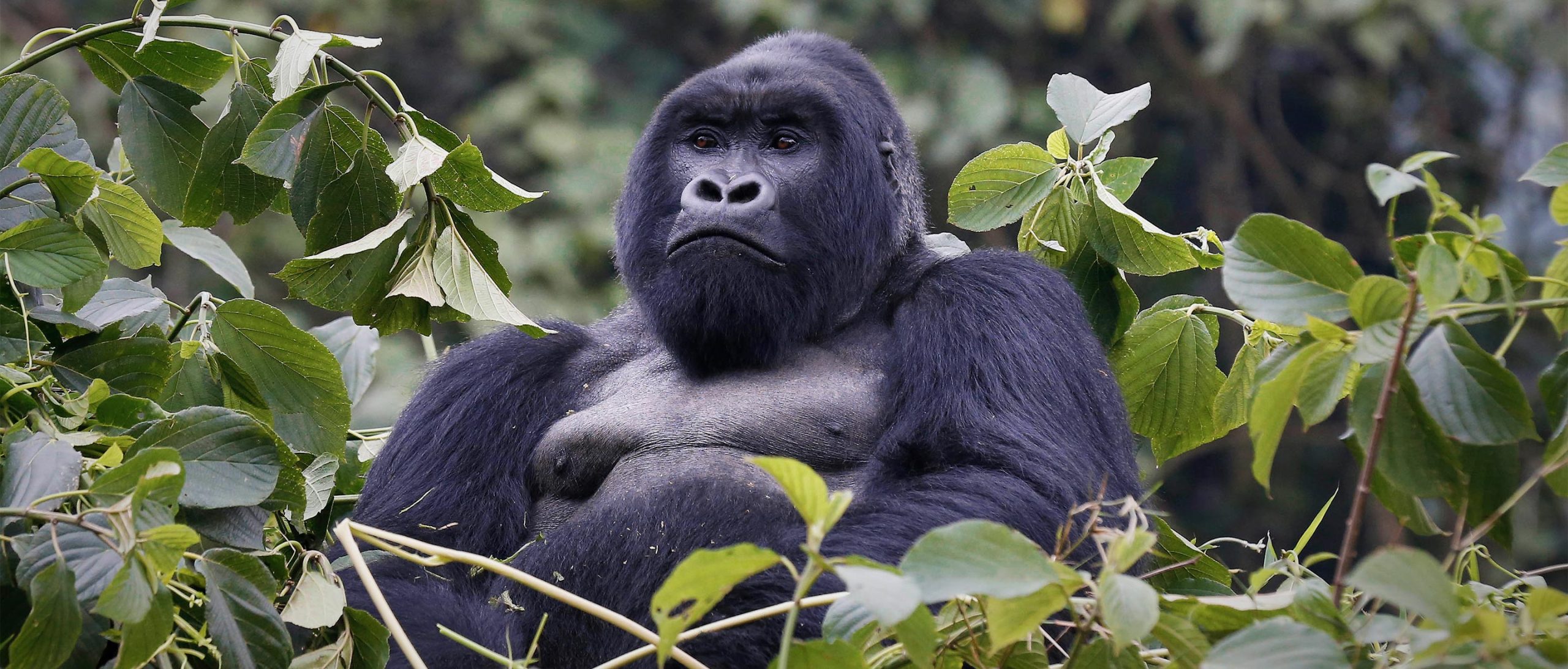 Rwanda’s current system also puts a clear share back into communities. RDB says 10% of national-park tourism revenue is reinvested in community development. In 2026, the programme had supported nearly 1,300 projects with more than Rwf23 billion, including projects around Volcanoes National Park.
So the permit is not simply the price of an hour in the forest. It is part of a conservation model in which fewer visitors generate more revenue while keeping daily contact with the gorillas tightly controlled and helping fund the people and systems protecting them.
Rangers and daily protection
Every habituated gorilla family is tracked daily by rangers, whether or not tourists are visiting that day. This constant presence deters poaching, allows early detection of snares, and lets veterinary teams respond quickly if a gorilla is injured or shows signs of illness.
Habituation itself, the slow process of accustoming a wild family to human presence, takes years and sustained funding, which is part of why new families are added to the trekking roster gradually rather than quickly.
Communities living along the park boundary once had few incentives to protect gorilla habitat and sometimes clashed with conservation goals, particularly where farmland bordered the forest.
Revenue-sharing programs changed that calculation by funding schools, clinics, and infrastructure directly from tourism income, giving local communities a tangible stake in the park’s survival.
Community-run enterprises, including cultural walks, craft cooperatives, and the Batwa experiences offered near several sectors, add a further income stream that doesn’t depend on the permit fee at all.
Health protocols that protect both sides
Because gorillas share close genetic similarity with humans, they’re susceptible to many human illnesses, and a cold that’s mild for a person can be serious for a gorilla.
This is why trekking rules include a minimum distance from the animals, a mask requirement in some circumstances, and exclusion of visitors who are currently unwell.
These rules can feel restrictive in the moment, but they exist because the species’ small population leaves little margin for a disease outbreak.
What the habituation experience adds
Some sectors offer a longer, less structured encounter with a family still being habituated, rather than the standard hour with a fully habituated group.
This generates additional revenue while also serving as part of the habituation process itself, under close ranger supervision.
Snaring intended for other animals still injures gorillas on occasion, and habitat pressure from surrounding agriculture remains a long-term concern. Regional instability, particularly in parts of the wider Virunga landscape, has at times disrupted conservation work.
Tourism revenue doesn’t eliminate these pressures, but it funds the ongoing work needed to manage them.
What this means for a visitor
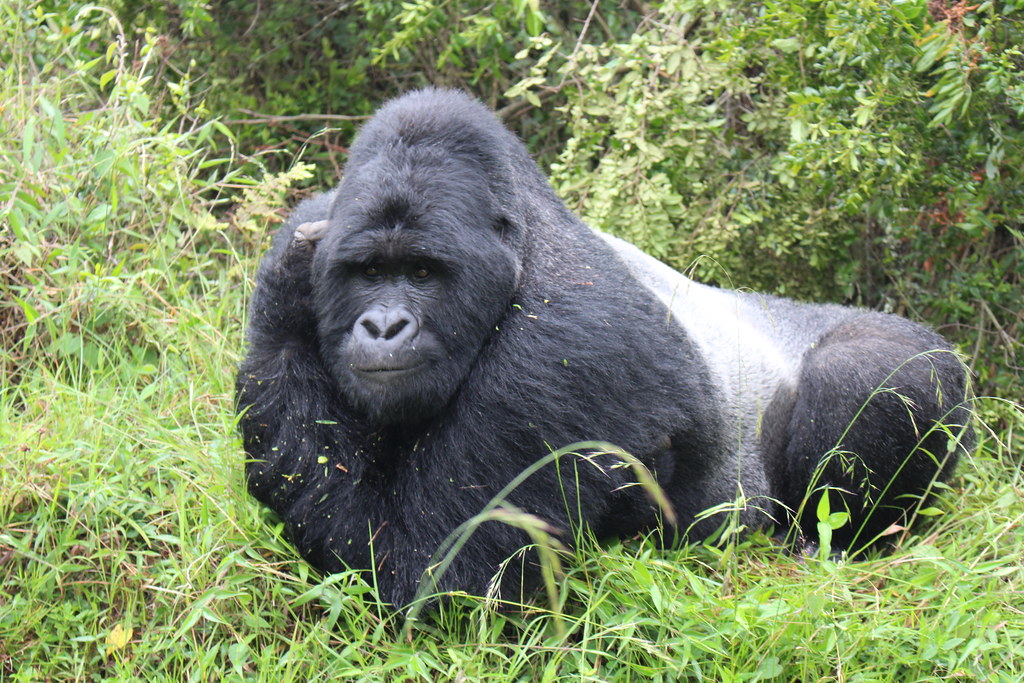
Understanding this turns a gorilla trek from an expensive wildlife encounter into something closer to direct participation in a conservation program.
The ranger walking ahead of you, the family you’re watching, and the school near the park gate are often connected by the same funding chain that began with a permit fee.
It also explains some of the rules that can feel inconvenient in the moment: the strict time limit, the distance requirement, the exclusion of visitors with coughs or colds. Each exists because the population being protected is small enough that a single bad outbreak could be serious.
Combine Gorilla trekking with other activities in Bwindi. Visit local communities near, the Batwa cultural experience, Enjoy games drives, boat cruise and other activities that goes hand in hand with gorilla trekking.