
Kidepo Valley National Park ‘Uganda’s Wild Frontier’
There is a corner of Uganda where the mountains rise out of the savannah like enormous stone walls, golden grasslands stretch towards distant horizons, and herds of buffalo move across the plains beneath a sky that seems to go on forever.
Here, the landscape feels raw, the silence is broken by the sounds of wildlife, and the crowds that define some of Africa’s famous safari destinations feel a world away. This is Kidepo Valley National Park, one of Uganda’s most remote, dramatic and unforgettable wilderness areas.
Getting there is part of the adventure. Far away in northeastern Uganda, close to the borders of South Sudan and Kenya, Kidepo demands more time and planning than many other national parks in the country.
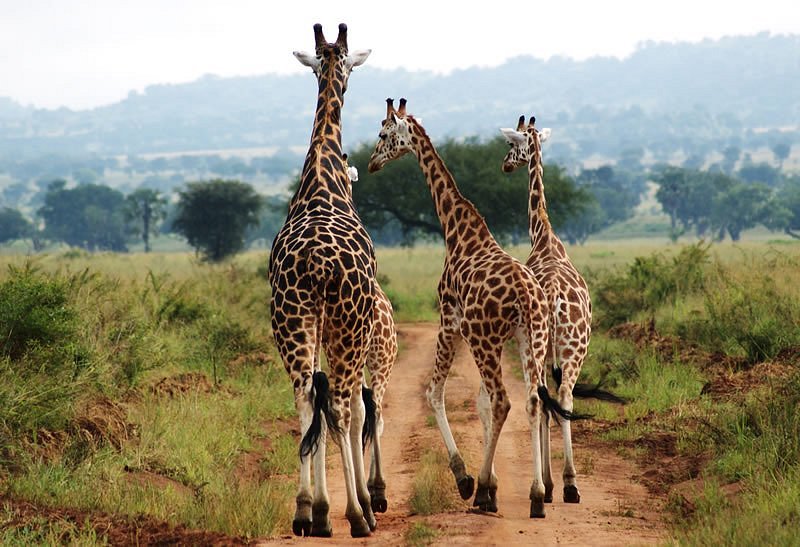
But that distance is precisely what makes the journey worthwhile. You arrive to find a landscape unlike the lush forests of Bwindi or the river scenery of Murchison Falls: wide open plains, rugged mountain ranges, seasonal rivers and a sense of space that is difficult to find elsewhere in Uganda.
And then the wildlife begins to tell its own story. Buffalo gather in extraordinary numbers across the Narus Valley, elephants roam the plains, and lions patrol the grasslands. Kidepo is also one of the few places in Uganda where you can look for species rarely encountered in the country’s other parks, including cheetahs and ostriches.
Every game drive offers the possibility of something unexpected, set against a landscape that changes character with the light and the seasons.
Yet Kidepo is not a destination to choose simply because it sounds wild. The journey is longer, facilities are more limited than in some of Uganda’s better-established safari circuits, and the experience depends on how much time you can give it.
Travellers willing to venture beyond the familiar routes, however, Kidepo offers something special: a safari shaped as much by the vastness of the land as by the animals living within it.
So what makes Kidepo different from Uganda’s other national parks, which wildlife should you look out for, and how do you plan a trip that makes the journey worthwhile? Let’s head into Uganda’s wild frontier.
Why Kidepo Feels Different
Kidepo Valley National Park gives you something that is becoming harder to find at Africa’s popular safari destinations: space, silence and a real feeling of being far out in the wilderness.
The valleys stretch beneath rugged mountain ranges, golden grasslands roll towards the horizon, and wildlife moves across the plains without the constant presence of safari vehicles. On a good game drive, you may spend long stretches taking in the landscape before another vehicle appears.
The landscape is just as distinctive. Kidepo’s semi-arid savannah, rocky hills and seasonal river valleys look very different from the dense rainforests of southwestern Uganda or the greener, more heavily wooded areas of some other parks.
The Narus Valley is particularly important for wildlife, with grasslands and water sources attracting animals across the year. Beyond it, the wider park opens into a rugged wilderness framed by mountain scenery, giving every drive a remarkable sense of scale.
Kidepo’s remoteness also shapes the experience. Reaching the park takes more planning than visiting Murchison Falls or Queen Elizabeth, but the reward is a different side of Uganda: less hurried, more open and full of character.
You come for the wildlife, but the vast landscape and feeling of isolation are what often make Kidepo stay with you long after the safari ends.
Wildlife here, and what’s different about it
Kidepo holds species found nowhere else, or almost nowhere else, in Uganda, including cheetah and a genuinely large population of lions, alongside ostrich and a long list of dry-country bird species.
Game viewing can be more unpredictable than in busier parks simply because animals have more space to disperse across, but sightings when they happen often feel more rewarding for the quiet and solitude around them.
This is the honest trade-off with Kidepo, getting there takes real commitment. By road from Kampala, the drive is long, often requiring a night broken somewhere en route, and road conditions vary by season and stretch.
Many travelers instead fly, with domestic flights connecting Kidepo to Entebbe or other parks, cutting the journey to a couple of hours. Flying in and driving out, or the reverse, is a popular compromise for those who want to experience the scenery without two very long driving days.
When to Visit the Park
Timing can make a real difference to your Kidepo safari. In the dry months, the grass becomes thinner, water grows scarce across much of the landscape, and wildlife tends to gather around the more reliable water sources in the Narus Valley.
These conditions often make animals easier to spot on game drives, especially when you head out early in the morning or later in the afternoon.
Kidepo has a semi-arid climate, with the main rainy period generally falling between April and October and a prolonged dry spell through the remaining months.
The exact timing and intensity of rainfall can vary, so treat these months as a guide rather than a guarantee. During the dry season, expect heat, dust and strong sunshine; during wetter periods, the landscape becomes greener, birds become particularly rewarding to watch, and some roads or game-drive tracks may become muddy.
There is no single perfect time for every traveller. If your priority is wildlife viewing and more predictable road conditions, the drier months are generally a strong choice.
If you prefer lush scenery, birding and a quieter atmosphere, the rainy season can be rewarding too, provided you plan around the possibility of difficult road conditions. Before setting off, check the latest access conditions with your lodge or safari operator, particularly if you are travelling by road.
The Karamojong Communities
A visit to Kidepo offers more than wildlife. The wider Karamoja region is home to the Karamojong, whose pastoral traditions, cattle culture, music and distinctive ways of life are an important part of northeastern Uganda’s identity.
A thoughtfully arranged community visit can add a valuable cultural dimension to your safari. Depending on the local hosts and the experience available, visitors may have opportunities to learn about pastoral life, traditional homesteads, local crafts, music or dance.
The best visits give community members the chance to explain their own culture in their own words, rather than treating everyday life as a performance for tourists.
A community visit should complement the safari, not reduce people to another attraction on a wildlife itinerary. Done respectfully, it gives you a broader understanding of Karamoja and the people whose homeland surrounds this remarkable wilderness.
Accommodation options near Kidepo are fewer than in Uganda’s more visited parks, ranging from community campsites to a small number of lodges. Booking ahead matters more here than almost anywhere else in the country, simply because there’s less capacity to absorb unplanned demand.
Given the effort required to get there, most guides advise against a rushed single-night visit. Two to three nights allows time to properly explore both the savannah plains and the valley’s drier corners, and to absorb the sense of space that makes the park distinctive.
Kidepo suits experienced safari travelers who’ve perhaps already done Uganda’s more accessible parks and want something wilder, those who prioritise solitude and landscape over guaranteed sightings, and anyone drawn to the idea of a genuinely remote corner of East Africa. It’s less suited to a first-time, time-pressed visitor whose itinerary needs to stay compact.
If you’d like to weigh up whether Kidepo fits realistically into your dates and interests, book with us and have an amazing adventure.
