
Crossing Between Rwanda and Uganda by Road
Come to think of, starting your safari in Uganda, driving through its breathtaking landscapes, and then deciding to add Rwanda to your adventure. Perhaps you want to trek with mountain gorillas in Bwindi before heading to Volcanoes National Park, or explore Kigali before your journey ends.
Two countries, one unforgettable trip but there is one practical question: what happens to your rental car when your plans take you across the border?
With cross-border travel, the right arrangements make all the difference. You can discuss driving your Ugandan rental car into Rwanda, or, where suitable, arrange an agreed handover at the border or in Rwanda while our team coordinates the vehicle’s return to Uganda.
An additional return fee may apply, and we negotiate that cost directly with you before confirming the arrangement. With the right planning, crossing between these two destinations becomes less of a logistical headache and more of what travel should be; freedom to explore, flexibility to change plans, and more time to enjoy the adventure.
 The Main Crossings
The right border crossing can save you time and make your safari much easier. If you are travelling between Uganda’s gorilla parks and Rwanda’s Volcanoes National Park, two crossings are particularly useful: Katuna–Gatuna and Cyanika–Kyanika.
Each connects a different route, so your choice depends on where your journey begins, which park you plan to visit, and where you are heading next.
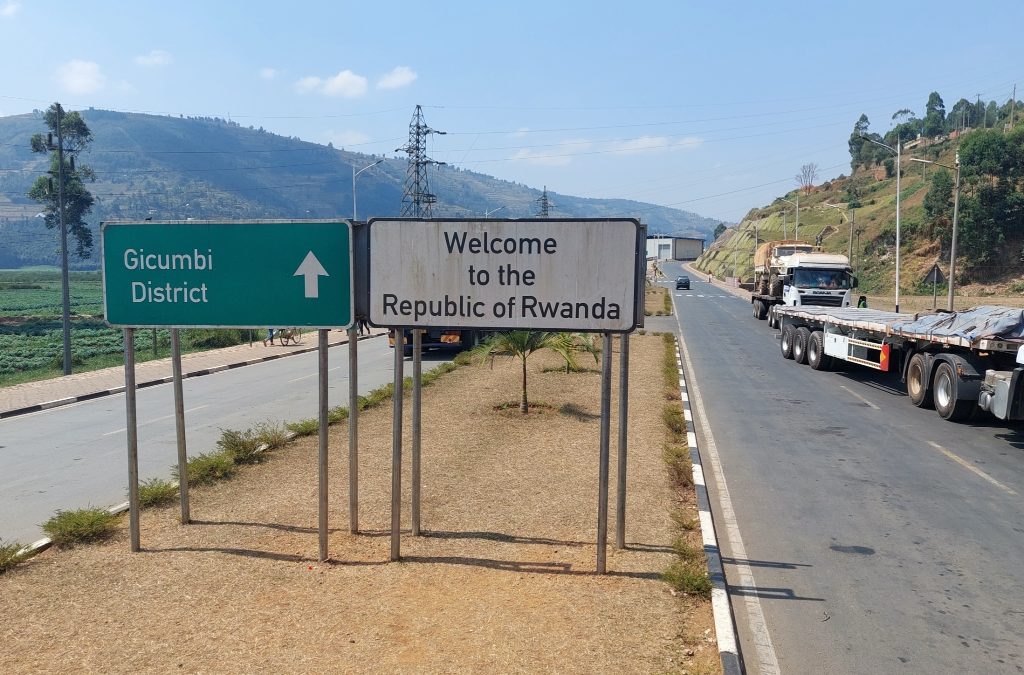
Katuna–Gatuna connects the Kabale side of southwestern Uganda with Rwanda’s main road towards Kigali. It is often a practical choice for travellers linking Kigali with Bwindi Impenetrable National Park, particularly the Buhoma and Ruhija sectors.
Cyanika–Kyanika connects the Kisoro area of Uganda with Rwanda’s Musanze region. It is especially useful for travellers combining Mgahinga Gorilla National Park with Volcanoes National Park, or building a cross-border itinerary around Kisoro and Musanze.
The names can be confusing because each country uses its own spelling for the same crossing: Katuna in Uganda is Gatuna in Rwanda, while Kyanika in Uganda is Cyanika in Rwanda. Rwanda’s immigration authority lists both Gatuna and Cyanika among its official border posts with Uganda.
Drive times vary with road conditions, traffic, stops and the exact park entrance or lodge you are visiting. As a rough planning guide, allow around two hours from Kigali to Katuna–Gatuna and approximately two to three hours to reach the Cyanika–Kyanika area via Musanze. These are estimates, not guaranteed journey times.
Before setting off, confirm the current border arrangements with your tour operator or the relevant authorities. Katuna–Gatuna is listed as a major one-stop border post by Uganda Revenue Authority, but travellers should not assume that every immigration, customs or vehicle-related service operates on the same schedule.
I could not verify a definitive, current official opening-hours notice for both crossings, so it is best to confirm the hours for your travel date and plan to arrive with plenty of time.
If you are travelling in a rental vehicle, also check that cross-border use is authorised and that the necessary vehicle documents and insurance are in place. A little preparation before departure can save you a great deal of uncertainty at the border.
Visas and entry requirements
Crossing from Uganda into Rwanda can be straightforward, but your passport determines what you need before you travel. Some visitors need a visa, others qualify for visa-free entry, and eligible travellers visiting several East African destinations may be able to use the East African Tourist Visa.
The important thing is to check the rules for your nationality before setting off rather than relying on advice written for a different traveller.
The East African Tourist Visa covers tourism in Uganda, Rwanda and Kenya. Uganda’s immigration authority lists the fee at US$100 and the validity at 90 days, with multiple entries permitted within the three participating countries while the visa remains valid.
You must apply through the country you intend to enter first, and the visa does not permit employment.
Rwanda also allows citizens of all countries to obtain a visa on arrival under its published visa regime, although eligibility, fees and permitted stays vary.
Citizens of East African Community member states, including Ugandans, benefit from separate entry arrangements.
Do not assume that the East African Tourist Visa is automatically the best option for every nationality or itinerary; compare the applicable official rules before applying.
Before departure, check the official immigration websites for both countries and confirm that your travel documents cover your entire route. Carry your passport, any required visa approval or supporting documents, and the paperwork for your rental vehicle if you are driving across the border.
Yellow Fever and Other Health Requirements
Health-document requirements can change, so check them close to your travel date. Uganda’s immigration authority published a notice on 2 October 2026 stating that a yellow fever vaccination certificate is no longer mandatory for entry into Uganda.
However, that change does not automatically determine the requirements for entering Rwanda or travelling onwards to another country.
Check the latest guidance from Rwanda’s immigration and health authorities for your specific route, including whether a yellow fever certificate or other health documentation is required. If you already have a vaccination certificate, carry it with your travel documents.
One final rule: confirm your entry requirements directly with the relevant immigration authorities before travelling. Border officials make the final decision on entry, and checking in advance is far easier than discovering a missing document at the crossing.
Getting Your Vehicle Across
Crossing from Uganda into Rwanda with a rental car takes more than showing your passport at the border. Your vehicle must have the necessary authorization, valid insurance and the required documents.
Rwanda Revenue Authority lists documents for vehicle entry procedures that include the vehicle logbook, the driver’s passport and driving permit, and an exit card from the neighbouring country. Requirements and applicable charges can depend on the circumstances, so confirm the current rules before travelling.
If you have booked a vehicle with Vacation Safaris, let us know from the beginning that Rwanda is part of your itinerary.
We can discuss whether you can take your rental car across the border, what documentation and insurance arrangements are needed, and which option best suits your travel plans. A COMESA Yellow Card may provide regional third-party motor insurance where the policy applies, but it does not replace the rental company’s permission to take its vehicle across the border.
 Prefer to Change Vehicles at the Border?
You do not necessarily have to take the same vehicle through both countries. Depending on your itinerary and the arrangements agreed with us, you may be able to leave your Ugandan rental vehicle at an agreed border location or approved drop-off point in Rwanda, then continue your journey using a separately arranged transfer or vehicle.
We coordinate the agreed handover and organize the return of our vehicle to Uganda. An additional vehicle-return fee may apply. We discuss and negotiate this cost directly with you before confirming the arrangement, taking into account the drop-off location and the logistics involved.
This way, you know what to expect rather than facing an unexpected charge during your trip.
Travelling with a Driver-Guide
If you have booked a guided safari, ask your tour operator to explain exactly how the crossing will work. Confirm whether your driver will continue with you, whether a vehicle change is required, and where you will meet the next driver if a handover is arranged.
It is also wise to allow extra time for border formalities, as delays can affect the rest of your day’s itinerary.
Our aim is to make the transition between Uganda and Rwanda as straightforward as possible. Share your route with us before booking, and we will discuss the available vehicle arrangements, documentation and any additional costs in advance.
You can then focus on the safari ahead rather than worrying about how you and your luggage will get to the next destination.
Border crossings can be quick or slow depending on traffic, paperwork, and how busy the day is. Leave generous time, and avoid scheduling a gorilla trek or a flight on the same day as a crossing.
Arriving earlier in the day gives you flexibility if there’s a delay.
You’ll need local currency or accessible funds on each side, and fees for visas or vehicle permits may need to be paid in a specific currency
Currency exchange at the border is often poor value, so carry a small amount and exchange properly in town.
Rwanda has strict rules on plastic bags, and officials may check luggage. Declare anything you’re asked to declare, and avoid carrying items that could raise questions, such as drones, without checking the rules first.
For travelers short on time or uncomfortable with long drives and border queues, flying between Entebbe and Kigali is an option, and it can also be combined with a road leg on one side.
Compare the real cost of each option, including the value of the hours saved.
The border areas have generally been used safely by tourists, but conditions can change, and political tensions between neighbouring countries have at times led to closures.
Check the latest guidance close to your travel date and build in a backup plan.
Crossing the border isn’t difficult, but it rewards planning. Most problems come from assuming a rental vehicle can simply drive across or from arriving without the right documents. A good operator turns a potential headache into a routine part of the trip.
