
Combining Uganda, Rwanda, and Kenya in One Trip
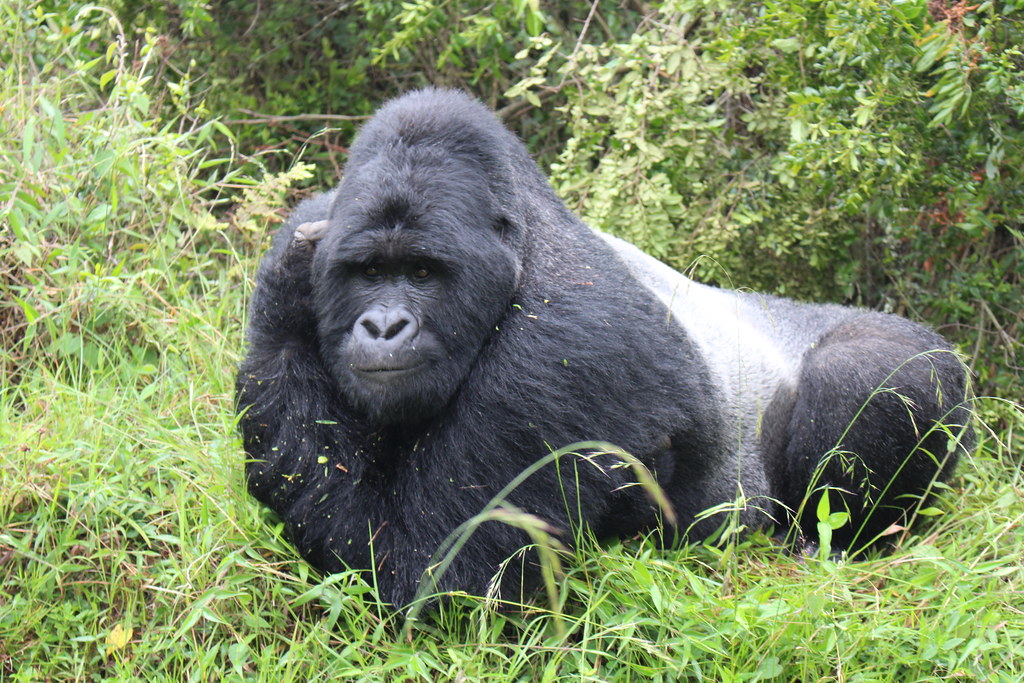
Come to think of waking up to mountain gorillas in Uganda, crossing into Rwanda for the volcanic landscapes of the Virungas, then ending your journey beneath the wide-open skies of Kenya’s Maasai Mara. Three countries, three completely different safari experiences, and one unforgettable East African journey.
 It sounds perfect and it can be. But here is where many itineraries quietly fall apart: East Africa is close on the map, but not every destination is close on the road. A few hours spent at a border, a badly timed flight, a missing permit or a long transfer between parks can turn an exciting safari into a race against time.
The trick is to build the journey around geography, not just famous names. Put destinations that naturally connect on the same route, use flights where a road journey would consume an entire day, and secure time-sensitive permits before building the rest of the itinerary around them.
This guide shows how to combine Uganda, Rwanda and Kenya without wasting precious holiday days from gorilla trekking and chimpanzee forests to the open plains of the Maasai Mara. Because the goal is not simply to visit three countries. It is to make every day between them count.
The map makes it look simple. Three neighboring countries, three famous wildlife experiences, and a big part of East Africa’s best safari and primate highlights within a short flight or a long drive of each other. Plenty of travelers see that and decide to do it all in a single trip.
It can be done, and done well. But the details of borders, visas, flights, and permits can quietly eat days, so it pays to plan the sequence carefully. This guide explains how the three countries fit together and where trips like this tend to go wrong.
Why combine them at all
Each country offers something distinct. Kenya has open savannah and, in season, the Mara’s migration. Uganda has mountain gorillas, chimpanzees, and varied parks with fewer crowds. Rwanda has its own gorilla trekking, a beautifully organized capital, and a strong conservation story. Together they make a well-rounded trip: plains, primates, and culture.
Your first decision is the arrival and departure pair. A trip that lands in one country and leaves from another, often called an open-jaw ticket, usually saves a lot of backtracking. For example, arriving in Nairobi and leaving from Kigali, or the reverse.
Regional flights between the capitals are relatively short and can save a full day or more compared with driving. Many itineraries combine flights for the long legs with road travel inside each country.
Visas and entry requirements
Rules change, so check them close to your travel date. A few points to look into:
There has been a regional visa arrangement for the three countries in the past, and entry systems in each place keep evolving, including electronic authorization in Kenya.
Yellow fever vaccination certificates are commonly checked in the region.
Keep documents in a single folder, print copies, and confirm everything with official government sources rather than relying on a blog, including this one.

Visas and border crossing in East Africa’
The best order to visit
The sequence matters more than people expect. A sensible pattern is to start with the trip element that has the tightest timing, usually gorilla permits, and to build the rest around it.
One common share: begin in Kenya for a few days in the Mara, fly to Entebbe for Uganda’s chimpanzees and parks, then travel by road or air to the southwest for gorilla trekking, and finish with Rwanda’s Volcanoes National Park before flying out from Kigali.
Reversing it works equally well. What matters is avoiding long backtracks.
The Uganda and Rwanda border by road
Travelling between the two by road is very popular for gorilla trekkers, because the parks lie close to the border. Common crossings include the routes near Kabale and Kisoro.
The main Uganda–Rwanda road crossings relevant to gorilla itineraries are Katuna–Gatuna, near Kabale, and Cyanika, near Kisoro. Rwanda’s immigration authority also lists several other Uganda border posts, but these two are the practical crossings for the southwestern Uganda–Rwanda tourism corridor.
For vehicles, travellers should carry the appropriate vehicle registration/logbook, driver’s licence and valid insurance, while Rwanda’s revenue authority lists the logbook, driver’s passport and driving permit among the requirements for its motor-vehicle entry-card process.
For citizens of Uganda, Rwanda and Kenya, movement between the three countries can be done using a national ID through the Inter-State Pass system, with no visa fee. Other nationalities should check the applicable visa rules before travelling.
Gorilla permits planning ahead
Both Uganda and Rwanda sell gorilla trekking permits, and they differ in price and rules. Permits can sell out in busy months, so it’s smart to secure them early and plan the rest around the date.
Gorilla trekking is one part of an East African itinerary where you should book first and build the rest of the trip around it. Uganda and Rwanda both offer mountain-gorilla trekking, but their permit prices and booking systems differ.
Rwanda’s standard permit is US$1,500 per person, with a minimum trekking age of 15 and only eight visitors allocated to each gorilla group per day.
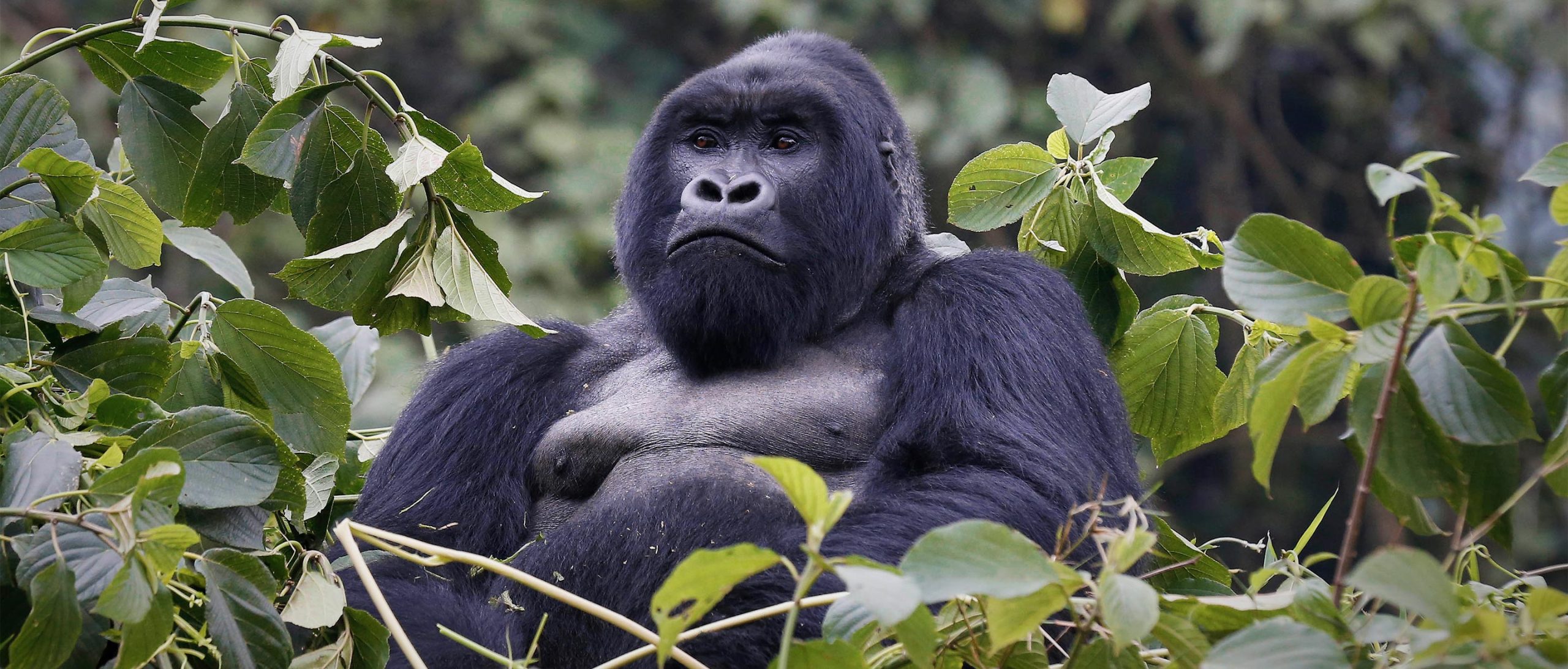 Uganda’s previous published standard rate for foreign non-residents was US$800, with permits purchased through a UWA-approved, UTB-licensed tour operator.
Because permits are limited and specific trekking dates matter, secure your gorilla permit before booking the rest of your itinerary. Once the trekking date is confirmed, you can arrange accommodation, border crossings, road transfers and flights around it rather than trying to fit a gorilla trek into whatever space is left in the schedule.
Some travelers do a trek in only one country. Others do one in each to compare. Both work.
Money, currency, and communication
Each country has its own currency, and it helps to carry small amounts of US dollars in good condition alongside local currency.
Mobile money is widely used in the region, though visitors often rely on cards and cash. Buying a local SIM in each country can be simpler than roaming, but check the rules on registration.
A trip that touches all three countries realistically needs at least ten to fourteen days. Fewer than that, and you’ll spend most of your time in transit. If you only have a week, choose two countries and do them properly.
Common mistakes
Over packing the itinerary is the most frequent. Underestimating border time is the second. Booking permits last is the third. Finally, many people forget that heavy luggage limits on small aircraft and on some regional flights can force repacking.
If you’d like a starting point, think in three blocks. Spend a first block in Kenya for wide-open safari. Spend a second block in Uganda for primates and varied parks. Spend a third block in Rwanda for gorilla trekking and a visit to Kigali. Leave one buffer day somewhere in the middle.