
What are 5 interesting facts about Silverback gorillas
Silverback gorillas are among the strongest and most formidable species in the animal kingdom, sometimes referred to as the kings of the jungle. What constitutes a silverback gorilla? A silverback is an adult male gorilla characterized by a prominent patch of silver or gray hair on its back. This formidable and astute primate serves as a symbol of strength and plays a crucial role in the ecosystem of tropical forests in Central and portions of East Africa. This page examines intriguing facts about Silverback gorillas, encompassing their physical attributes, social organization, behavior, food, and conservation status.
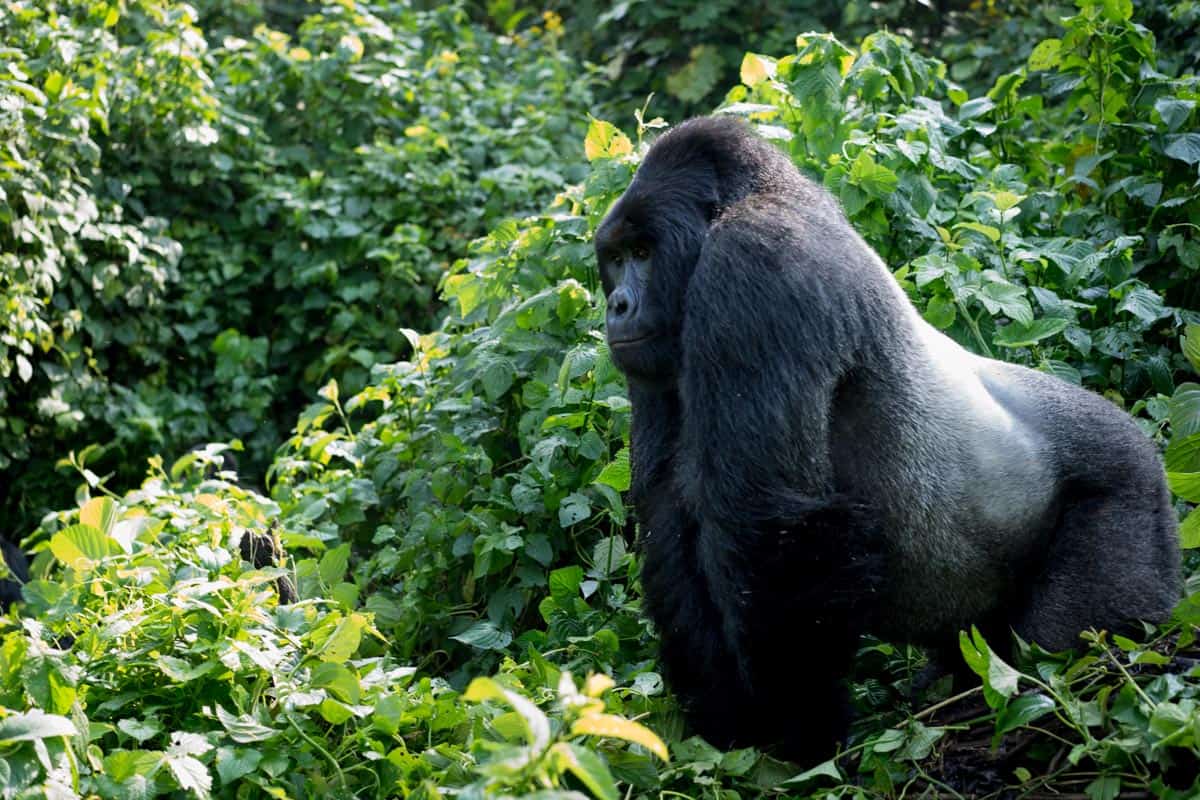
A description of Silverback gorillas.
A silverback gorilla is an adult male gorilla, typically above 12 years of age, that exhibits a saddle of silver or grayish-white hair on its back. This characteristic differentiates adult male gorillas from juvenile males (black-backs) and females. Silverback gorillas, the alpha males, serve as the leaders of gorilla families, which may comprise multiple females, their children, juveniles, and younger males.
The Silverback gorilla is a member of one of two species of gorillas: the Western Gorilla (Gorilla gorilla) and the Eastern Gorilla (Gorilla beringei). The Eastern species comprises the Mountain Gorilla and the Eastern Lowland Gorilla, whilst the Western species include the Western Lowland Gorilla and the Cross River Gorilla.
Gorilla lifespan.
In their natural habitat, silverback gorillas can live 35 to 40 years, although in captivity, with adequate medical care and diet, they may reach up to 50 years of age. As male gorillas mature, the hair on their backs grays, their mobility diminishes, and they frequently face challenges from younger males seeking to usurp control of the tribe. When a dominant silverback gorilla ages and becomes too feeble to lead, he is either usurped by a more powerful male or may opt to depart from the group and adopt a solitary existence.
What habitat is suitable for silverback gorillas?
Silverback gorillas inhabit the tropical and subtropical forests of Central and East Africa. Mountain gorillas reside in high-altitude forests in three countries: Uganda, Rwanda, and the Democratic Republic of Congo (DRC), primarily within the Virunga Mountains and Bwindi Impenetrable Forest. Lowland gorillas inhabit the flat, dense woods of Cameroon, Gabon, and certain regions of the Congo Basin.
These forests furnish shelter, sustenance, and the essential supplies required for gorilla survival. Nonetheless, deforestation and human encroachment are progressively jeopardizing their natural environment.
Size and Wight of Silverback Gorillas.
Silverback gorillas possess significantly greater strength and musculature than other gorillas within the group. Adult male silverbacks generally weigh between 300 and 485 pounds (135 to 220 kg) and reach a height of approximately 5.5 to 6 feet (1.7 to 1.8 meters) while standing upright. Their arms exceed the length of their legs, enabling them to ambulate using both limbs, resulting in a locomotion method known as knuckle-walking.
The strength of a Silverback gorilla is exceptional, estimated to be up to ten times greater than that of humans. They typically utilize their power to safeguard the group rather than for hunting, as gorillas are herbivorous.
Social structure and Conduct.
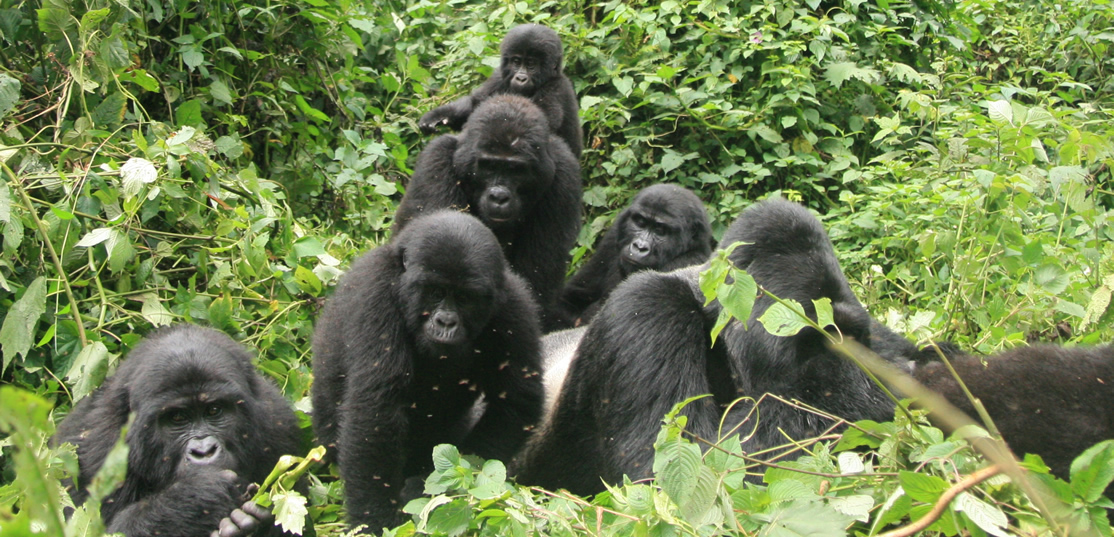
Silverback gorillas serve as the dominating leaders (alpha males) of their troops. A group of gorillas is termed a troop or band. The gorilla group might consist of 5 to 30 individuals, contingent upon habitat and resource availability. The silverback dictates all significant decisions, encompassing the timing and location of feeding and resting.
He is also the guardian of the group, frequently positioning himself between danger and his family. When threatened, a silverback may exhibit anger by standing erect, thumping its chest, vocalizing loudly, or charging, although actual physical confrontations are few.
How do Silverback Gorillas Communicate?
Silverback gorillas, akin to other members of the troop, convey messages by a variety of vocalizations, gestures, facial expressions, and body postures. Gorillas rank among the most intelligent species of animals. Certain gorillas in captivity acquire the ability to utilize sign language, enabling them to communicate with humans in rudimentary manners.
Dominance.
In the wild, a dominating silverback gorilla use vocalizations such as grunts, hoots, and growls to express various moods or alerts. Chest-beating is a prominent method of communication that can signify strength, confidence, or a challenge.
Diet and feeding Practices.
Silverback gorillas are exclusively herbivorous. Their diet include leaves, stems, roots, fruits, bark, and occasionally tiny insects such as ants or termites. A silverback may allocate up to 6 hours daily for foraging and can ingest around 40 pounds (18 kg) of plant matter each day.
They serve a crucial role in seed dispersal by consuming fruit and excreting the seeds in other locations, so facilitating the establishment of new plants and contributing to forest development.
Role of Reproduction.
The silverback gorilla, as the alpha male, typically mates with the females in his group. A female gorilla generally births every 4 to 6 years, with a gestation period of approximately 8.5 months. A neonate gorilla weighs approximately 4 pounds (1.8 kg) and is entirely reliant on its mother.
The silverback cares for the juveniles, frequently engaging in cuddling, grooming, and play activities with them. His presence fosters a secure and stable environment for their growth and learning.
Where can one observe silverback gorillas?
One can observe Silverback gorillas during organized trekking expeditions in Bwindi Impenetrable National Park in Uganda, Volcanoes National Park in Rwanda, and the Virunga Mountains in the Democratic Republic of Congo.
The gorilla habituation experience in Bwindi Impenetrable Forest offers an opportunity for direct encounters with silverback gorillas in their natural habitat. These two experiences provide tourists with the opportunity to watch gorillas in their natural habitat while earning funding for conservation in collaboration with local communities. Certain silverback gorillas have attained global recognition owing to their size, leadership, or contributions to research and conservation efforts.
Threats to gorillas in Africa.
Gorillas are presently classified as a critically endangered species by the International Union for Conservation of Nature (IUCN). These hazards predominantly stem from human activity and encompass;
Habitat degradation resulting from deforestation, agricultural expansion, and mineral extraction.
Poaching persists despite the legal protection of gorillas.
Diseases, particularly those transferred by humans, such as respiratory illnesses, scabies, and Ebola.
Civil disturbance, especially in regions characterized by political instability.
Remedies for the prospective hazards.
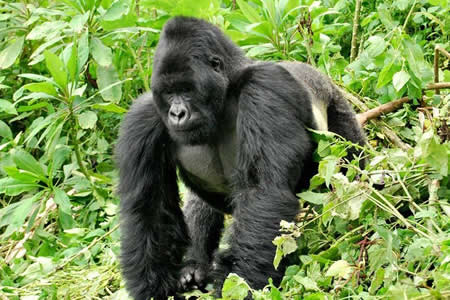 Numerous conservation practices in national parks and reserves safeguard these gorillas. Organizations such as the Uganda Wildlife Authority (UWA) are diligently striving to safeguard the survival of these primates through research, anti-poaching patrols, and community education initiatives.
Strict standards must be adhered to in order to minimize human interaction and safeguard gorillas against infections. Gorilla trekking in Africa contributes to funding ranger patrols and community development initiatives. Visitors engaging in gorilla trekking in Uganda, Rwanda, and Congo must maintain a safe distance, don masks, and restrict their gorilla encounters to one hour.
Ultimately, silverback gorillas are among the most captivating animals to observe due of their crucial function in the ecosystem. Gorillas share 98% of their DNA with humans, distinguishing them significantly from other primates, except for chimpanzees.
