
Gorilla Habituation Experience vs Regular tracking- Two incredible but different experiences
Gorilla Habituation Experience vs Regular tracking, Bwindi Impenetrable national park is an African gem seated on the edge of the Rift valley in south western Uganda offering a natural blend of beauty of the dense tropical rain forests and the surrounding tea plantations, which serve as a buffer zone between the Bwindi Impenetrable national park and the local communities neighboring the national park.
Being home to almost half the total population of the endangered mountain gorillas, this ancient and biologically diverse rainforest was declared a UNESCO World heritage site and over the years it has become famous for its gorilla safaris.
Bwindi Impenetrable national park is divided in 4 sectors/gates that is; the Buhoma sector, Ruhija sector, Rushaga sector and Nkuringo sector with each sector inhabiting different gorilla groups.
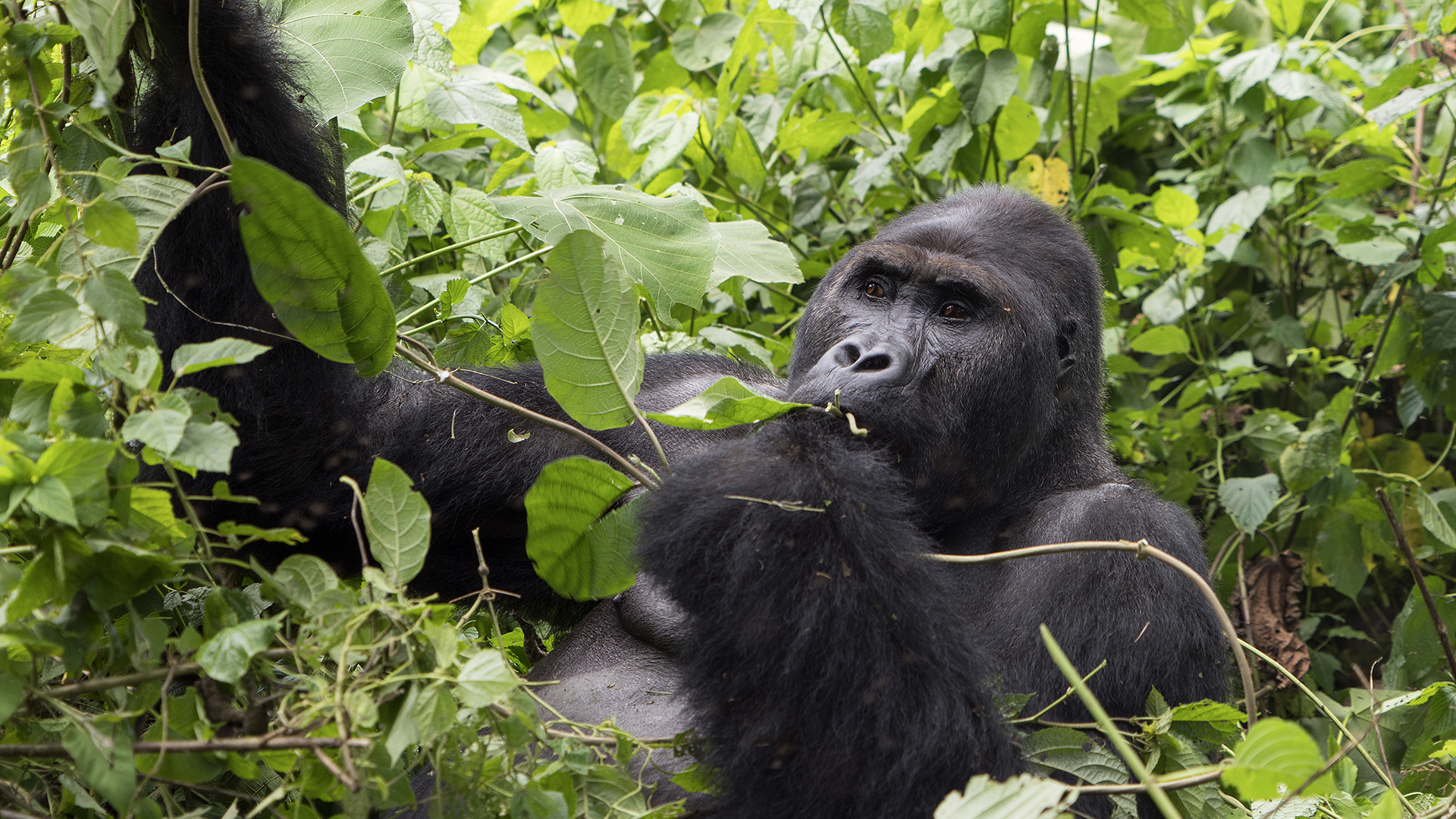 The mountain gorillas of Bwindi Forest are open for visits through out the year and this can be done in two ways that is; through the gorilla trekking experience or through the gorilla habituation experience and both of these are unique, memorable once in a life time experiences. While both these experiences offer you an encounter with the gentle giants, they differ to a certain extent.
It is common knowledge that while gorilla trekking can be done in any of the 4 sectors of Bwindi impenetrable national park that is; Ruhija sector, Rushaga sector, Nkuringo sector and Buhoma sector, the gorilla habituation experience only takes place in the Rushaga sector and unlike the normal trekking that is done in groups of 8 and a maximum of 1 hour is allowed in the presence of the mountain gorillas, gorilla habituation is done in groups of 4 people since only 4 permits are sold per day and the gorilla habituation permits allow up to 4 hours in the presence of the mountain gorillas.
Other than these key differences, here are some other factors to keep in mind while choosing between the normal gorilla trek and the gorilla habituation experience.
On several occasions the gorilla habituation experience has been pitched as the more suitable gorilla safari option for photographers due to a number of factors with the major ones being the 4 hours spent with the mountain gorillas and the group number being smaller therefore flexibility to take photos but what is the actual experience like!
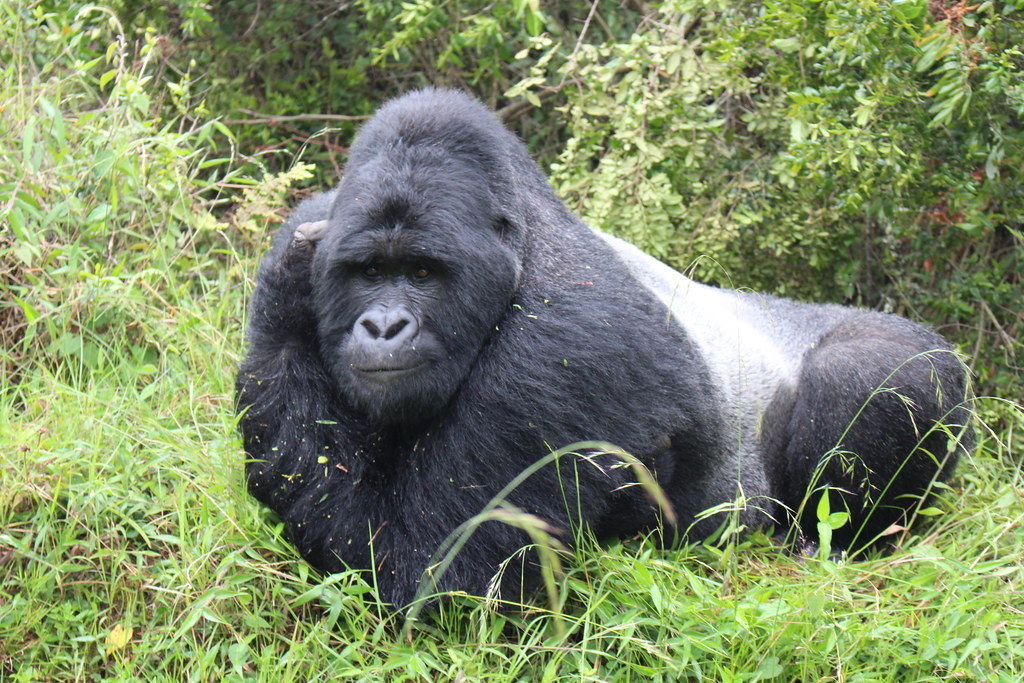 During the regular gorilla trek, trackers set out in the morning in search of the habituated gorilla families/ groups depending on where they were left the day before. This is done so as to pickup a trail for the tourists who will be trekking the different gorilla families that day. While the trackers trace the gorilla families, the tourists make their way to the briefing centre where they will be welcomed with a short traditional dance performance which will be followed by a briefing on the code of conduct of gorilla trekking. After the briefing, along with the head guide and other rangers, tourists will make their way to the starting point of the trek. This can be quite a drive away from the briefing center and depending on your luck, you might be close to the gorilla family at this point. Following directives of the trackers, who most certainly by this time have already found the habituated gorilla family, you will embark on a hike in search of this habituated gorilla family. And as earlier mentioned, you will have 1 hour with this gorilla family upon locating them watching them go about their daily activities such as feedings, infants playing, mothers breast feeding, among others.
On the contrary, during the gorilla habituation experience, tourists leave together with the trackers early morning in search of the mountain gorillas starting with where they had spent the night before. This implies that they first have to locate the nests of the gorillas and they proceed to follow their leftovers or trails until they locate where they are at that moment. Since you are always uncertain of how far the mountain gorillas have moved from the time they left their nest, this means there most certainly will be a lot more hiking here. The time taken to reach the semi-habituated gorilla group varies for different group of individuals however on average it ranges from 4 to 6 hours. This hike is often longer and significantly challenging compared to the normal trekking. Despite being a difficult hike, at the end of the day you will be rewarded with 4 hours in the presence of the mountain gorillas, in a group of only 4 people therefore less jostling for the right spots to take pics. That been said, during both experiences, the trackers and ranger guides accompanying you will always try as much as possible to ensure that everyone has a chance to take a few good photos.
While this most certainly sounds great, it’s important to keep it in mind that the gorilla families visited during the normal trekking are already habituated groups therefore are used to human presence. This exposure allows them live freely in the presence of humans hence able to stay relaxed, allowing you the true experience of interacting with them in their natural habitat. On the other hand, these semi-habituated gorilla groups are still at the point where they are getting accustomed to human presence so may become a bit intimidated by your presence and as a reaction could often keeping moving in short intervals.
Having got a narrative of both the experiences, am certain the question that comes to mind is; which would be a more suitable experience for you! Before we get there, there is one major factor that draws a fine line between these two experiences and that is the cost.
The gorilla habituation permits costs $1500 per permit. This is almost twice the cost of the gorilla trekking permit that cost $800 permit. This is an important factor to consider depending on how much more time you need with the mountain gorillas versus your trip budget.
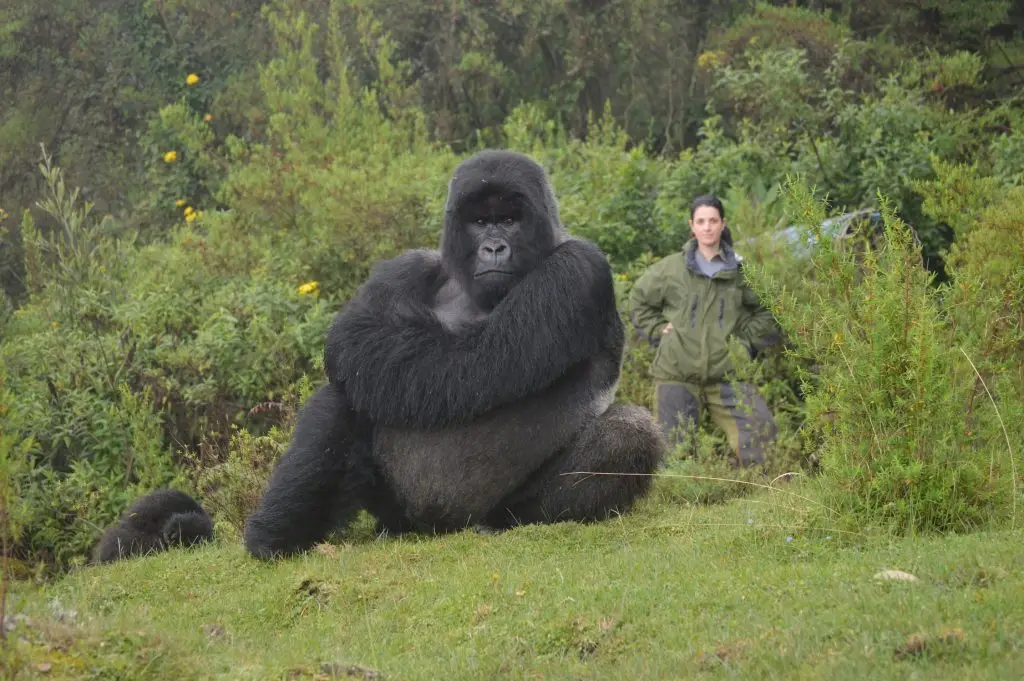 For nature and wildlife enthusiasts, I recommend taking part in both experiences as both will offer you a unique gorilla safari experience. However, if you are not fit and doubt your ability to maneuver tough terrains and walking longer hours, the normal trek is definitely for you.
Regardless, in both cases ensure to always have the proper outfit for the hike that is; hiking boots, rain jacket, garden gloves, hat, face mask, gaiters, walking stick and carry with you at least 2 liters of water as well as snacks or even a packed lunch if need be. Even if you are optimistic about your ability, carrying all these by yourself while hiking may again wear you out therefore hire a porter. Having one will be of a great advantage to you and besides that, it’s a great way of giving back to the local community.
