
Best Time to Visit East Africa
“When should I go?” is usually the first question a traveler asks, and it rarely has one right answer. East Africa doesn’t really have a bad season, but it does have different seasons, and each one suits a different kind of trip. This guide goes through the year, region by region, so you can match the calendar to what matters most to you.
Much of the region has two dry seasons and two wetter periods, though the exact months and intensity vary by country and altitude. In general terms, a longer rainy period falls around March to May, and a shorter one around October to November, with drier conditions in between. Treat this as a starting framework, not a fixed rule, and check current forecasts closer to travel.

January and February
January and February are among the most appealing months for an East African safari. Across much of the region, conditions are generally warm and relatively dry, while the southern Serengeti is alive with the Great Migration’s calving season.
This can be an excellent period for predator sightings, newborn wildlife and dramatic encounters on the plains.
It is also a strong time for gorilla trekking in Uganda and Rwanda. Uganda’s short dry season runs through December to February, with January and February generally offering drier, easier-to-navigate trails than the wetter months.
Rwanda’s December-to-February dry period likewise provides more favourable conditions for trekking through the steep forest terrain of Volcanoes National Park.
That does not mean the forests will be completely dry. Bwindi and the Virunga mountains are rainforest environments, so rain can arrive even during the dry season. Good hiking boots and rain protection are still worth packing.
March
Rain tends to build through the month across much of East Africa, marking the start of the long rains in many areas. Landscapes turn green quickly, and prices often ease as visitor numbers drop. Game viewing remains good, though some roads soften.
April and May
April and May are generally among the wettest months across much of East Africa. Heavy or prolonged rain can make some safari roads and gorilla trekking trails muddy and more demanding, particularly in forest areas.
Uganda Wildlife Authority notes that during wet seasons, roads and forest trails can be in poor condition and rain can interfere with activities. Stay safe with a rugged 4×4 rental car from us for a better safari.
The trade-off is price and fewer visitors. Some safari lodges and camps offer lower-season rates, while certain seasonal or smaller properties may close temporarily for maintenance or because of lower demand.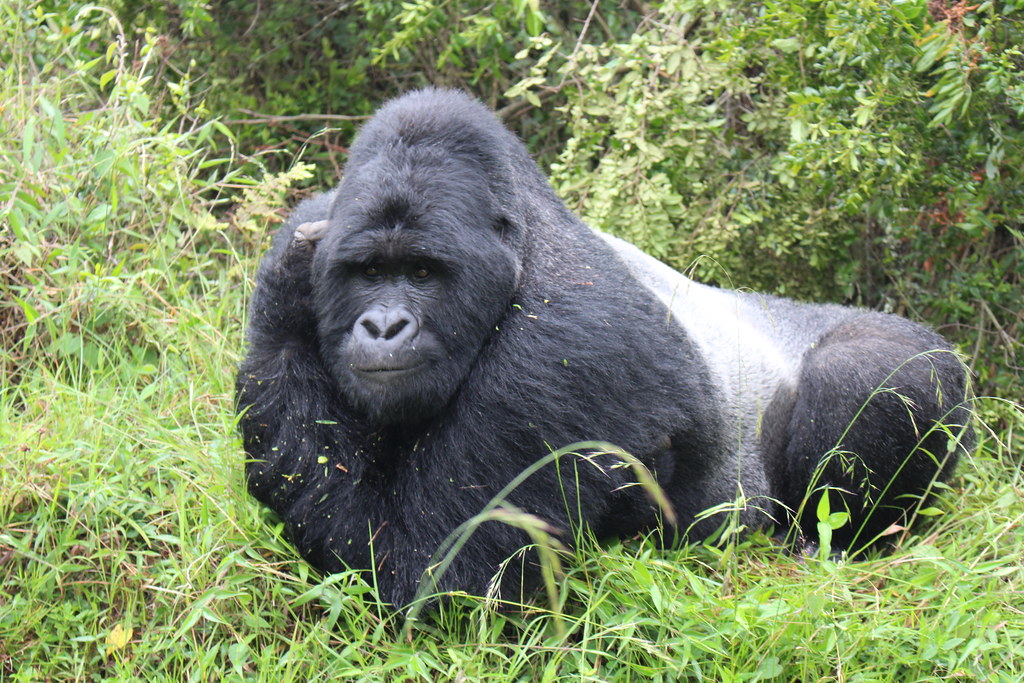
However, there is no single list of camps that closes across East Africa, and policies vary from one property to another. The Serengeti itself remains open throughout the year, including the March–May rainy season.
For travellers who do not mind rain and want to stretch their budget, April and May can therefore be excellent-value months. Just build in more flexibility for road journeys, expect wetter trekking conditions, and confirm that your chosen lodge or camp is operating before booking.
June
Rains usually ease, roads dry out, and the dry season begins to take hold in most areas. The migration typically starts moving through the western Serengeti corridor around this time.A good transitional month, often with lighter crowds than the peak months ahead.
July and August
Classic dry-season safari months across much of the region, with clear skies, concentrated wildlife around water sources, and the Mara River crossings often underway. This is peak season, so expect higher prices and busier parks, and book well ahead for the best camps.
September and October
Dry conditions generally continue, with excellent game viewing and migration activity often still visible in the Mara and northern Serengeti. The short rains typically begin building toward the end of this period in many areas.
November
A transitional month in much of the region, with short rains often arriving. Landscapes green up quickly, birdlife becomes particularly active as migratory species arrive, and crowds and prices generally ease. A good time for travelers who prioritise birding and value over guaranteed dry conditions.
December
Often a mix of dry spells and short showers in much of the region, and a popular month for holiday travel, so book ahead. Wildlife viewing remains strong, and festive touches at lodges add to the atmosphere.
 Matching the month to your priority
If predator action and newborn wildlife matter most, look at January to March. If the river crossings are the goal, look at July to October.
If budget and quiet matter most, consider April, May, or November. If gorilla trekking is central, drier months generally mean easier trails, though trekking happens year-round and permits are available in every month.
Regional differences worth knowing
Coastal areas, including Zanzibar, have their own rhythm, generally drier from around June to October and around December to February, and wetter in between.
Mountain regions, including gorilla trekking areas and highland parks, can experience rain at almost any time of year, since they sit in genuinely different microclimates from the plains.
Rather than chasing a single “best” month, decide what you most want: a specific wildlife event, a lower budget, fewer crowds, or flexibility to combine activities like beach time. Then check the current seasonal outlook for your chosen countries close to booking, since patterns shift from year to year.
If you’d like help choosing dates around a specific goal, our team can talk through the trade-offs.
