
Batwa Culture and Ethical Community Tourism in Uganda
Few encounters on a Ugandan itinerary carry as much weight as meeting the Batwa, one of the oldest peoples of the region’s forests. Their story involves deep knowledge of the forest, a painful loss of home and livelihood, and an ongoing effort to preserve identity and win fair treatment. Visiting responsibly means understanding that story before you go.
This guide explains who the Batwa are, how cultural experiences are organized, and how to choose ones that benefit the community rather than treat people as a spectacle.
 Who the Batwa Are
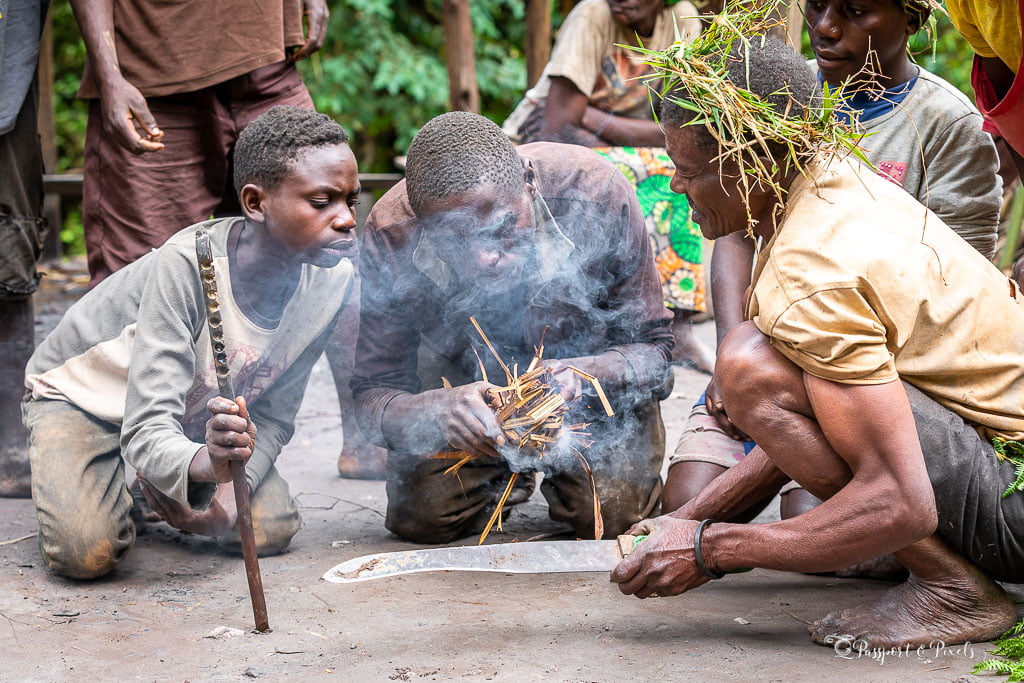
The Batwa are an Indigenous people of the Great Lakes region of Central Africa, including southwestern Uganda, where their communities have traditionally depended on forest hunting and gathering.
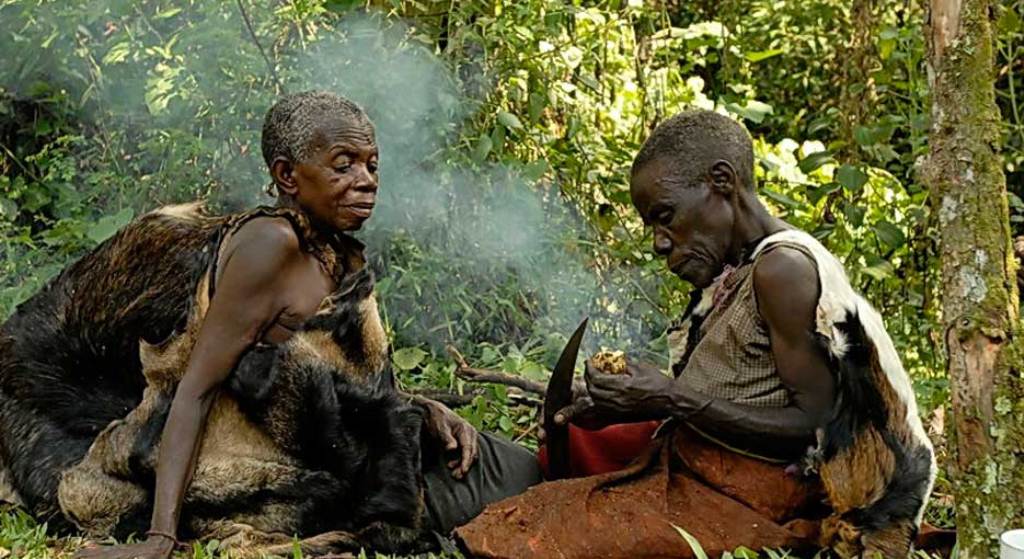
For generations, Batwa families lived in and around forests that are now part of Bwindi Impenetrable and Mgahinga Gorilla National Parks. The forest provided food, medicinal plants, shelter and materials for daily life, while also holding deep cultural and spiritual significance.
Their lives changed dramatically in 1991, when Bwindi and Mgahinga were established as national parks to protect forests and mountain gorillas. The Batwa were removed from their ancestral forest lands and excluded from many of the resources they had relied on.
Human rights organizations report that the evictions took place without adequate consultation, compensation or alternative land for many affected families.
The consequences have continued for decades. Many Batwa face landlessness, poverty and barriers to education, healthcare and secure livelihoods.
Although conservation has helped protect important wildlife and forest habitats, the Batwa’s rights and needs remain a serious part of the conversation about how conservation should work.
Uganda’s Ministry of Water and Environment continues to publish plans addressing the circumstances of Batwa communities around these protected areas.
What a Cultural Visit Involves
A Batwa cultural visit near Bwindi or Mgahinga offers a chance to learn about the forest life of the Batwa from the people who know that history firsthand.
Around Mgahinga, the Batwa Trail takes visitors along the lower slopes of the Virunga volcanoes towards Garama Cave, where Batwa guides share traditional knowledge and demonstrate fire-making, shelter-building and food-gathering skills. The experience also includes stories, music and dance.
Near Bwindi, the Batwa Experience in Buhoma and other community-based visits introduce visitors to Batwa history, traditional plant knowledge, forest skills and cultural performances. The exact activities depend on the community and the experience booked.
The most meaningful visits give Batwa guides and elders the opportunity to tell their own stories, rather than presenting their culture as a performance alone.
By booking through established community initiatives and asking how tourism income supports local people, visitors can help create opportunities for Batwa communities to share their heritage on their own terms.
 How to tell whether a visit is ethical
Ethical tourism isn’t automatic, and it’s worth asking some direct questions before you book.
Who owns and runs the experience, and does the community have genuine decision-making power? How are fees shared, and what proportion reaches Batwa families directly? Is participation voluntary, and are the performances presented with dignity rather than as a staged show for photographs?
A good operator will answer these questions plainly, and one that can’t or won’t is a warning sign.
Ask before taking photographs, particularly close portraits, and respect any refusal without argument.
Listen more than you speak, avoid treating the experience as entertainment, and follow your guides’ advice on conduct.
Bring modest gifts only if the programme specifically recommends doing so, since informal handouts can create dependency and undermine more structured support.
Beyond Tourism Income
Tourism can help create jobs and income, but the challenges facing Batwa communities go much deeper. Land rights, access to education and healthcare, and the protection of cultural heritage remain important concerns.
Visitors who want to contribute beyond a cultural visit can look into organizations working directly with Batwa communities.
One example is the United Organisation for Batwa Development in Uganda (UOBDU), a Batwa-directed organisation working on land rights, education, healthcare and sustainable livelihoods. The Batwa Indigenous Empowerment Organisation (BIEO), based in the Kisoro area, also supports education, healthcare, cultural preservation and community livelihoods.
Before donating, check each organization’s current activities and how contributions are used.
A Batwa cultural visit pairs naturally with gorilla trekking in Bwindi or Mgahinga. Depending on the location and activity, it can take a few hours and offer a different perspective on the region after a demanding trek.
Confirm the timing with your tour operator and allow enough time to enjoy the experience without rushing.
What to Take Away
Come with curiosity, listen carefully and respect the people sharing their stories. The Batwa are not a museum exhibit or a chapter frozen in the past; they are living communities with their own ambitions, challenges and priorities.
The most meaningful cultural visits recognize that reality, value Batwa voices and help ensure that local people benefit from sharing their heritage.
Everyday Life of the Batwa Today
What does everyday life look like for the Batwa today? Beyond the cultural visits and traditional performances, many Batwa families are working to meet the same basic needs as other Ugandan households: finding food, earning an income, raising children and securing a place to live.
But after losing access to their ancestral forests, many have had to rebuild their lives with limited land and resources.

Their Homes and Surroundings
There is no single type of home shared by all Batwa families. Some live in permanent houses built through resettlement and community development projects, while others occupy modest mud-walled homes or temporary shelters.
Families without land may live on property belonging to other people, sometimes with little security that they can remain there. These differences reflect the unequal progress made in improving housing and land access across Batwa communities.
Many Batwa settlements around Bwindi and Mgahinga are now found near other rural communities, along roads or on the edges of their ancestral forests.
The surrounding landscape includes small farms, gardens, trading centres and forested hills. For families with access to land, growing food can help support household needs; for those without it, earning enough to buy food remains a daily concern.
Food and Daily Survival
Before their displacement, the Batwa relied heavily on forest foods, including wild plants, fruits and other resources gathered from their surroundings.
Today, most can no longer depend on the protected forests in the same way. Household diets vary, but farming, buying food from local markets and earning money through casual work have become important parts of life for many families.
Research involving Batwa households in southwestern Uganda has also documented food insecurity and differences in meal patterns according to household circumstances and food availability.
Some families cultivate crops where they have access to land, while others depend on temporary jobs, including agricultural labour for neighbouring farmers. Income from tourism, crafts and community initiatives can also contribute. These opportunities are not available equally to everyone, and some households continue to struggle to secure regular meals.
Work, Skills and Family Life
Batwa people today engage in a range of activities. Some work on farms, make crafts, guide cultural visits or participate in music and dance performances for visitors.
Community organizations have also supported initiatives in education, coffee growing, healthcare and other livelihood projects. Such activities show how Batwa families are adapting to present-day circumstances while seeking ways to maintain their independence and cultural identity.
Like families elsewhere in Uganda, Batwa households balance work with caring for children, maintaining homes and participating in community life. Access to education and healthcare, however, remains difficult for many because of poverty, insecure land access and other barriers.
The experience of one family may be very different from that of another, so it is important not to describe the entire community as though everyone lives under the same conditions.
Culture in a Changing World
The forest remains central to Batwa identity, memory and cultural knowledge. Stories, songs, dances and traditional knowledge of forest plants help pass parts of that heritage between generations.
Cultural visits can give Batwa guides and elders a platform to share this knowledge, while community-led tourism may create income and opportunities for younger people.
Yet Batwa culture is not simply a record of the past. Batwa people are living in a changing world, making decisions about education, work, family and their future like anyone else. Their circumstances today are shaped both by their cultural heritage and by the loss of access to ancestral land.
For visitors to Bwindi and Mgahinga, understanding this everyday reality adds depth to a cultural visit. It encourages travelers to look beyond a performance, listen to the people telling their stories and recognize that the community’s future depends not only on tourism, but also on secure land, decent housing, education, healthcare and reliable livelihoods.
