
Things to Do in Chobe National Park
Things to Do in Chobe National Park, Chobe National Park is Botswana’s oldest and most biologically , diverse protected area, and it is best known for one extraordinary spectacle: the largest concentration of elephants on Earth. Stretching across roughly 11,700 square kilometers of riverfront floodplain, mopane woodland, and the wild Savuti marshes, Chobe offers a rare combination of land and water safaris within a single park. Whether you’re based in Kasane for a few days or passing through on a Victoria Falls itinerary, this guide covers every worthwhile activity, what each one costs, and how to plan your time on the ground.
1. Take a Chobe River Boat Cruise
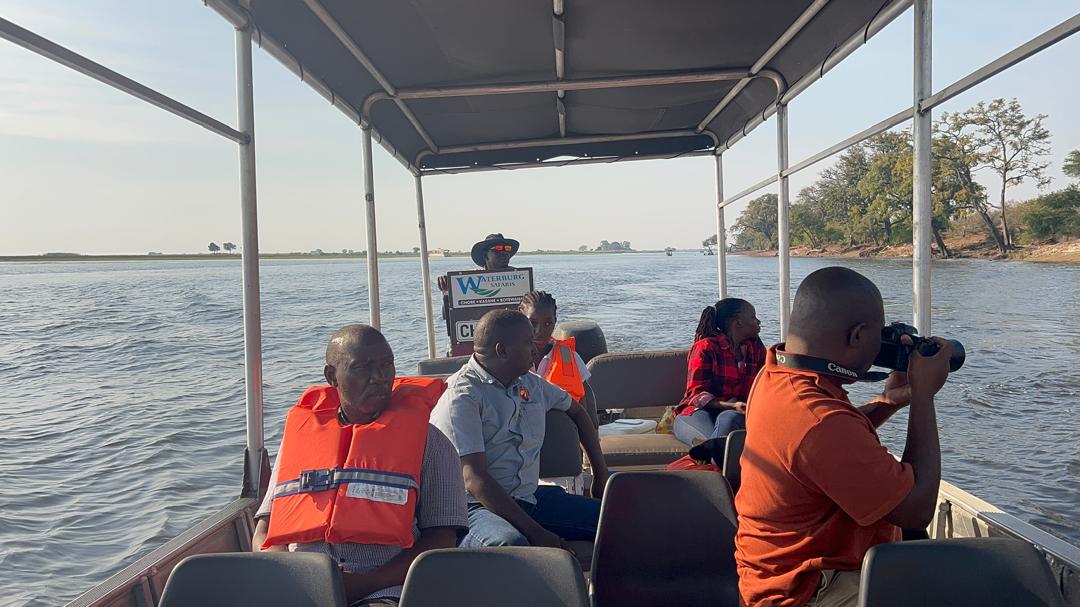
The Chobe riverfront cruise is the single most popular activity in the park, and for good reason. Open-top boats drift slowly along the Chobe River, bringing you eye-level with elephants swimming and drinking, pods of hippo, basking crocodiles, buffalo herds, and an outstanding variety of waterbirds. Because you’re on the water rather than confined to a road, sightings tend to be closer and less rushed than on a game drive.
Morning Cruise vs. Sunset Cruise
- Morning cruise (2–3 hours): Cooler temperatures, active birdlife, and quieter waters before the day-trip crowds from Kasane arrive.
- Sunset cruise (2–3 hours): The classic choice — golden light over the river, elephants coming down to drink at dusk, and a drink in hand as the sun sets over Namibia’s Caprivi Strip.
Most lodges and operators in Kasane run daily cruises departing from the jetties along the river; expect to pay roughly US$35–US$70 per person depending on boat size and whether drinks or a private charter are included.
 2. Go on a Game Drive Through the Chobe Riverfront
A traditional 4×4 game drive along the Chobe riverfront section covers dense floodplain vegetation, termite mounds, and open plains where lion, leopard, spotted hyena, and enormous herds of buffalo and elephant are regularly seen. Morning drives (departing around sunrise) and afternoon drives (ending near sunset) each have a distinct character — mornings favor predator activity, while afternoons often deliver the best elephant sightings as herds return to the river.
- Half-day drives: 3–4 hours, ideal for a day trip from Kasane or Victoria Falls.
- Full-day safaris: Combine a morning cruise with an afternoon game drive, or vice versa, for the most complete single-day experience.
- Private vehicle safaris: Recommended for photographers, allowing the vehicle to stop and reposition freely.
3. Explore the Savuti Region
Roughly two hours south of the riverfront, the Savuti area covers vast grassland, fossil river channels, and volcanic rock outcrops. Savuti has a reputation for dramatic predator sightings, including some of Botswana’s largest lion prides and packs of African wild dog, and its seasonal marshes attract huge herds of elephant, zebra, and buffalo during the dry months. Savuti requires more time and usually a multi-night stay, either camping or at one of the area’s lodges, making it best suited to travelers with four days or more in Chobe.
4. Watch Africa’s Largest Elephant Herds
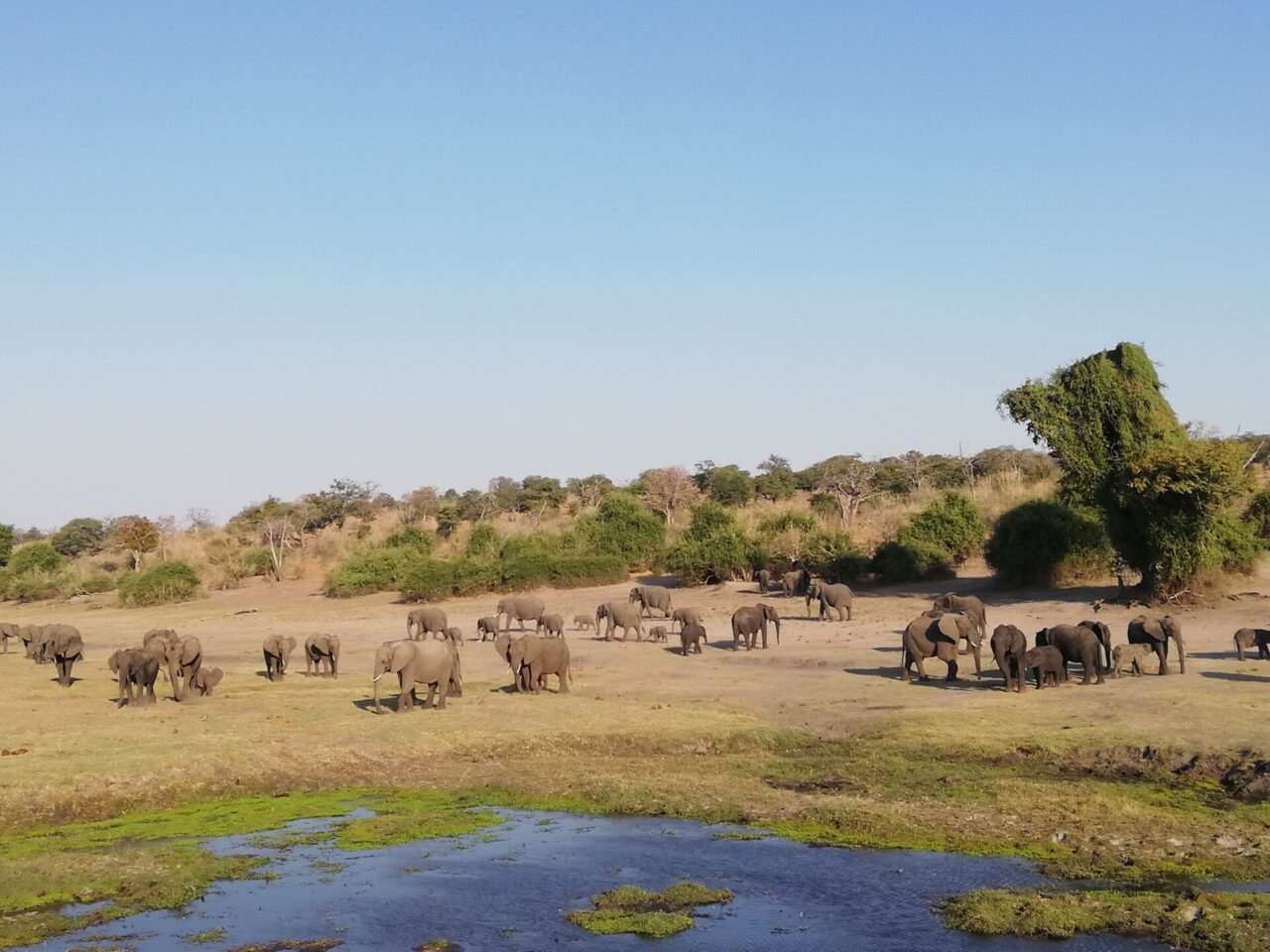
Chobe is home to an estimated 50,000-plus elephants, part of the larger Kavango-Zambezi (KAZA) elephant population that moves freely across Botswana, Namibia, Zimbabwe, and Zambia. From roughly May to October, herds concentrate along the Chobe River in numbers rarely matched anywhere else on the continent, with sightings of hundreds of elephants in a single afternoon. Watching family groups cross the river, calves swimming between adults, and bulls sparring at the water’s edge is, for many visitors, the defining Chobe experience.
 5. Go Birdwatching Along the River
Chobe’s wetlands and riverine forest support over 460 recorded bird species, making it one of southern Africa’s premier birding destinations. Highlights include African fish eagle, Pel’s fishing owl, carmine and white-fronted bee-eaters, African skimmer, and dense concentrations of waterfowl during the green season (November to March), when migrant species swell the count further.
- Best method: A slow-paced river cruise or a specialist birding boat trip covers the widest range of habitats.
- Best season: November to March for migrants and breeding plumage; May to October for raptors and riverine specials.
6. Try Tiger Fishing on the Chobe River
The Chobe and Zambezi river systems are known among anglers for tigerfish, along with bream and catfish. Catch-and-release fishing trips can be arranged through lodges in Kasane, typically as a half-day or full-day charter with a local guide, tackle, and permit included. A Botswana fishing licence is required and is usually arranged by the operator.
7. Visit the Chobe Crocodile Farm
Just outside Kasane, the Chobe Crocodile Farm raises Nile crocodiles and offers short educational tours explaining breeding, conservation, and the leather trade. It’s an inexpensive, family-friendly half-hour stop that works well on a rest day or between morning and afternoon activities, and it’s one of the few Chobe-area attractions that doesn’t depend on weather or wildlife luck.
8. Discover the CARACAL Biodiversity Centre
The CARACAL World of Wildlife centre near Kasane focuses on conservation education and Botswana’s lesser-known species — reptiles, smaller carnivores, and invertebrates that don’t typically appear on a game drive. It’s a worthwhile addition for travelers with children or anyone wanting context on conservation work happening around the park before heading in for bigger-game sightings.
9. Support Local Culture: Village and Craft Tours
Community-based tourism around Kasane includes visits to riverside villages and craft cooperatives such as basket-weaving projects run by local women, which combine cultural exchange with direct economic support for the community. These half-day tours pair well with a rest morning and typically include a guided walk, a demonstration, and the chance to buy handwoven baskets and crafts directly from the makers.
10. Combine Chobe with Victoria Falls
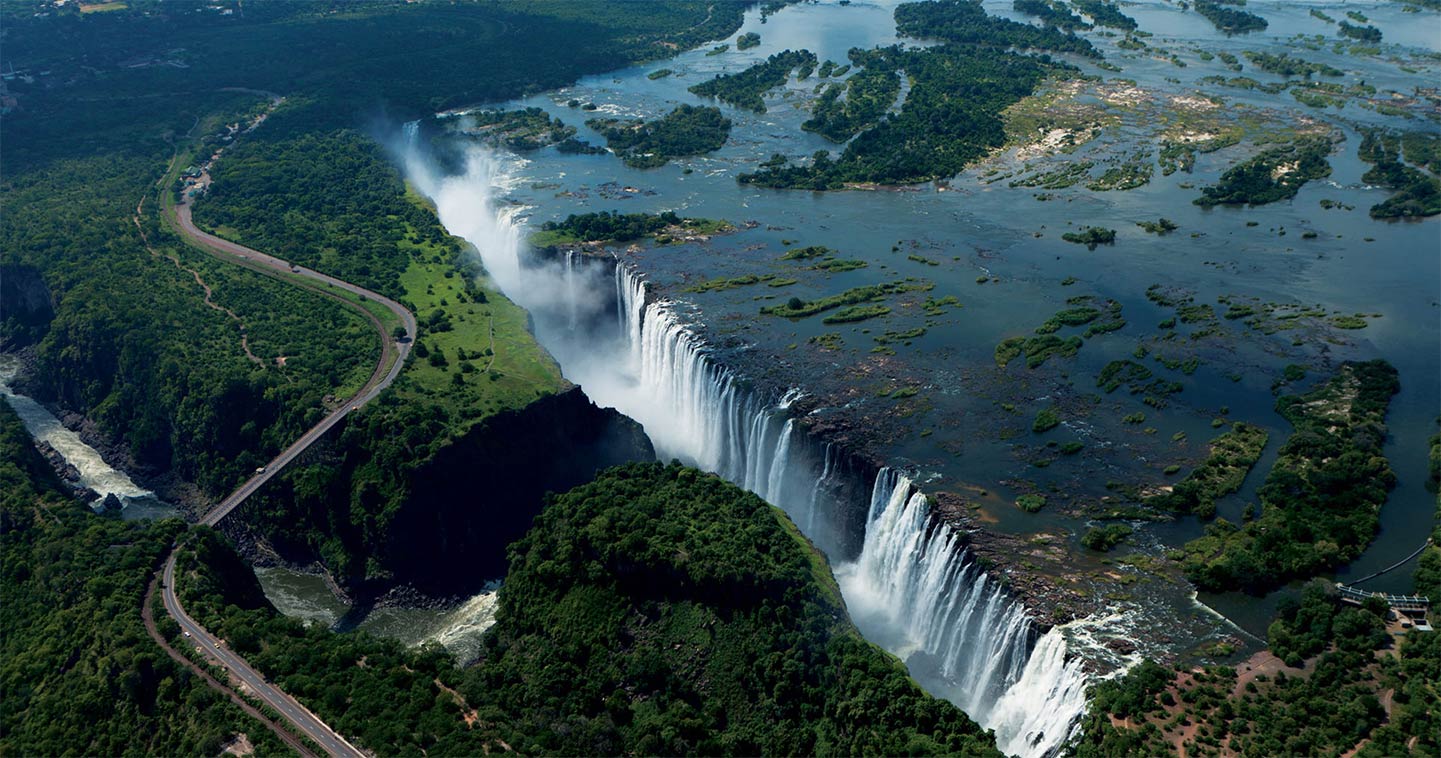
Chobe’s proximity to Victoria Falls — just over an hour’s drive from Kasane, with straightforward border crossings into Zimbabwe or Zambia — makes the two an obvious pairing. Many visitors base themselves in Kasane or Victoria Falls town and do a single or multi-day Chobe safari as an add-on, or combine a Chobe river cruise with a falls tour on a guided day trip. Allow at least two to three nights at Chobe if combining with the falls, so you have time for both a cruise and a game drive rather than a single rushed activity.
 Chobe National Park Entrance Fees (2027)
Park fees are payable in cash (Pula or small-denomination US dollars) or by card where machines are working, at Sedudu Gate from Kasane or at the Department of Wildlife and National Parks office in Maun. Fees are charged per day, including arrival and departure days, and are subject to change without notice.
| Visitor Category | Daily Park Fee | Approx. USD | Notes |
| Non-resident adult (18+) | BWP 270 | ~$20 | Effective 1 April 2026 |
| Non-resident child (8–17) | BWP 135 | ~$10 | 50% discount |
| Child under 8 | Free | $0 | No charge |
| SADC resident adult | BWP 30 | ~$2 | Valid ID required |
| Botswana citizen | BWP 10 | ~$1 | Valid ID required |
| Vehicle fee (standard car) | BWP 115–150 | ~$8–11 | Larger vehicles pay more |
| Good to Know Before You Go
Park fees are usually included in guided tour and lodge packages — confirm with your operator. Card machines at gates are unreliable; carry cash as a backup. A separate Botswana Tourism Development Levy (around US$30) applies on entry to the country. Self-drivers need a valid campsite reservation before entering if planning to overnight inside the park. |
When to Visit Chobe National Park
Dry Season (May – October)
Peak season. Wildlife concentrates along the Chobe River as inland water sources dry up, producing the park’s famous mass elephant gatherings and the most reliable game viewing. Lodges charge their highest rates and fill up furthest in advance.
Green Season (November – March)
Lush scenery, dramatic skies, newborn animals, and the best birdwatching of the year, with migrant species swelling the bird count. Wildlife disperses more widely away from the river, and some Savuti-area roads can be affected by rain. Rates are noticeably lower and lodges are quieter.
Shoulder Months (April and November)
Often the sweet spot for travelers balancing budget against wildlife density — landscapes are still green, prices haven’t hit their peak, and elephant numbers along the river are already building.
Getting to Chobe National Park
- By air: Fly into Kasane Airport (BBK), which has regional connections from Johannesburg, Cape Town, Victoria Falls, and Maun.
- By road from Victoria Falls: Approximately 1–1.5 hours, crossing the Kazungula border post between Zimbabwe or Zambia and Botswana.
- By road from Maun: Roughly 5–6 hours via Nata, or via a longer bush route through Savuti for self-drive 4×4 travelers with more time.
- Self-driving: A high-clearance 4×4 is essential inside the park, particularly around Savuti; the riverfront road network near Kasane is more accessible to standard vehicles in the dry season.
Where to Stay
- Riverfront lodges (Kasane/Serondela area): The most convenient base for river cruises and riverfront game drives, ranging from mid-range to luxury.
- Savuti camps and lodges: Best for travelers prioritizing predator sightings and a quieter, more remote safari experience.
- Public and private campsites: Available at Serondela, Ihaha, and Savuti for self-drive travelers with their own camping equipment and a confirmed reservation.
- Victoria Falls town: A practical alternative base for travelers combining the falls with a day or overnight Chobe safari.
Sample Itinerary: Making the Most of Chobe
- Day 1 – Arrival & Sunset Cruise: Settle into your lodge in Kasane, then head straight onto the river for a late-afternoon cruise.
- Day 2 – Morning Game Drive & Rest Afternoon: An early riverfront game drive followed by a village or craft tour, or a visit to the Crocodile Farm and CARACAL centre.
- Day 3 – Full-Day Safari: Combine a morning cruise with an afternoon game drive, or transfer toward Savuti for travelers with an extra night to spare.
- Day 4 – Onward Travel: Cross into Victoria Falls for the falls themselves, or fly onward from Kasane Airport.
Frequently Asked Questions
How many days do you need in Chobe National Park?
Two to three nights is enough to cover a river cruise and at least one game drive. Add two more nights if you want to include the Savuti region.
Is Chobe better than Moremi or the Okavango Delta?
Chobe is unmatched for elephant density and is the easiest park in Botswana to combine with Victoria Falls. Moremi and the Delta offer denser predator activity and a more classic Okavango wetland landscape — many itineraries combine both.
Can I visit Chobe as a day trip from Victoria Falls?
Yes. A day trip typically includes the border crossing, a game drive, a river cruise, and lunch, returning to Victoria Falls the same evening. Staying at least one night in Kasane allows for a more relaxed, complete visit.
Is Chobe safe to self-drive?
The riverfront area is manageable for experienced 4×4 self-drivers in the dry season, but Savuti’s sandy tracks demand real off-road experience. Guided game drives remain the simplest and safest option for first-time visitors.