
Sustainable tourism and Responsible travel
Practicing responsible travel and sustainable tourism is not just a travel trend but rather it is the unique way of fully experiencing Africa’s beauty while ensuring that the natural environment remains untouched and the local communities benefit from your travel.
In today’s world, tourism is one of the fastest-growing industries, connecting people with nature, wildlife, and diverse cultures across the globe. However, with this growth comes the responsibility to protect the natural environments and communities that make travel experiences so unique and meaningful. At Rwanda gorilla trek, we believe that tourism should not only create unforgettable adventures for travelers but also have a positive footprint on the conservation efforts, support local communities, and preserve the natural heritage of the destinations we operate in therefore our safaris are designed using these guiding principles.
 Steps towards sustainability and conservation
-
Supporting Wildlife Conservation
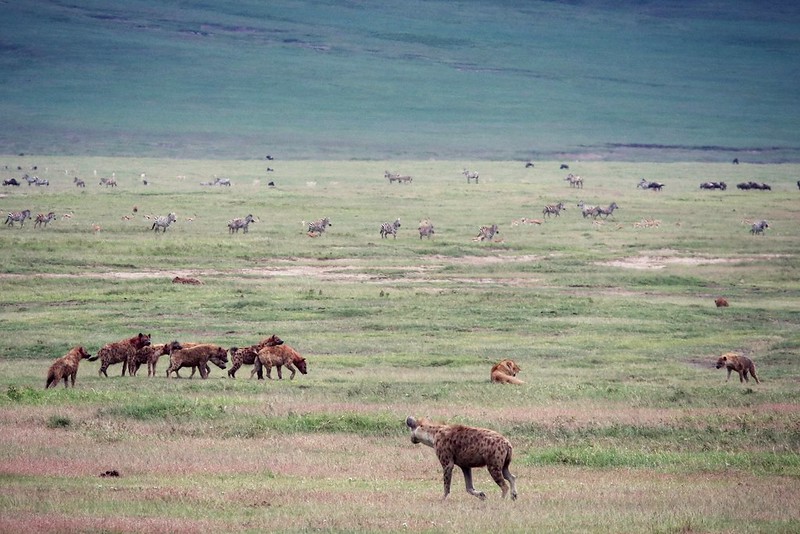
Africa is home to some of the world’s most extraordinary wildlife species, many of which face increasing threats from habitat loss, climate change, and illegal poaching. Tourisms play a vital role in protecting these species by generating revenue that supports conservation initiatives. Through working closely with the national parks, conservation authorities, and local organizations, directly such as gorilla permit purchases, activity payment through the park authorities and park entrances, we contribute to wildlife protection programs, and habitat conservation.
Most of the protected areas such as Serengeti National Park, and Murchison falls national park rely heavily on tourism income to sustain conservation programs therefore by organizing responsible travels to these destinations, we greatly contribute to the wildlife conservation efforts. Our tour guides are also trained to follow strict park regulations, maintain safe viewing distances, and educate travelers about responsible wildlife viewing practices and this helps minimize disturbance to these animals.
Promoting Responsible Wildlife Viewing includes;
- Maintaining appropriate distances from animals
- Limiting the number of vehicles at wildlife sightings at a time
- Avoiding off-road driving in restricted habitats
- Keeping noise levels low such as horning to reduce disturbances
- Maintaining the restricted speed limits in the national parks to avoid accidentally knocking down the animals.
These practices help ensure that animals remain safe and comfortable in their natural environments while providing travelers with authentic, memorable and ethical wildlife encounters.
-
Protecting the natural environment
Nature is the basis of most tourism activities in Africa therefore protecting nature is our responsibility. Our safaris are organized with the aim of minimizing environmental impact while at the same time proving all our clients with a memorable safari experience.
We do this through minimizing improper waste disposal/littering during our trips, conserving water and energy, and supporting initiatives that protect and restore the natural habitats.
 Supporting Local Communities
Through tourism, we are able to improve the livelihoods of the people in the neighbouring small local communities in need prioritizing those that are actively involved in or whose livelihood are affected by the conservation measures.
These local communities benefit from tourism through different ways such as;
- Promoting cultural tourism in the different destinations
- Encouraging the purchase of the locally hand-made crafts by the locals
- Booking community-owned lodges and local businesses that prioritize sustainability.
- Employing local guides and drivers while visiting these destinations.
- Financing community development projects such renovating health facilities, supporting schools, and water infrastructure.
-
Encouraging Cultural Respect
Africa is home to over 3,000 distinct ethnic groups with diverse cultures, languages, and traditions. Responsible travel involves respecting the cultures and traditions of these local communities.
Our clients are encouraged to engage with the local communities in a respectful way. These cultural experiences provide valuable insights into local heritage while creating additional sources of income for communities and ensuring that the traditions are respected and preserved.
-
Reducing Environmental Footprints
As part of our commitment to sustainability, we actively promote practices that reduce environmental impact during our safaris. These are not only limited to advising our travelers to practice responsible travel but also taking steps ensuring conservation through out our safaris. These steps taken include;
- Proper waste disposal in the protected areas
- Proper use of water and energy at the lodges
- Reducing single-use of plastics during travel
- Following park regulations and wildlife authority guidelines
- Staying at eco-friendly lodges and hotels
-
Partnerships for Conservation
To properly promote sustainable tourism, it’s essential to establish a collaboration between tour operators, conservation organizations, and local communities. We actively support conservation through partnerships with local organizations that work to protect wildlife and natural habitats.
-
Respect wildlife and their habitat.
When observing wildlife in their natural habitat, it’s essential to keep a respectful and safe distance, and avoid interfering with natural behaviors and way of life of the wildlife. Ensure to always follow the instructions of park rangers and professional guides. This is especially critical during gorilla trekking experiences, where strict regulations and the visitor numbers is limited to protect these highly endangered primates. Gorillas are highly susceptible to human-borne illnesses, and even minor infections like the common cold can pose serious health risks. Responsible tourism not only ensures your safety but also plays a vital role in preserving the well-being and natural habitat of these extraordinary animals.
 Avoid unethical tourism practices.
Responsible tourism means making thoughtful choices that protect both people and places. While there are numerous activities to take part in as a way of promoting sustainable tourism, some activities as well must be avoided and these includes activities like orphanage tourism, which can unintentionally harm vulnerable children, and instead supporting initiatives that genuinely benefit local communities. By choosing tour operators who follow ethical and sustainable practices, travelers are able to ensure their visits contribute to the preservation of cultures, safeguarding environments, and improving livelihoods of the locals.
-
Continuous commitment to Sustainable tourism
Sustainability is not a one-time off but rather a continuous commitment that requires constant improvement and responsibility. As tourism evolves, we remain dedicated to adopting new practices that further reduce environmental impact and strengthen conservation efforts.
By embracing these practices of sustainable tourism, conservation, and responsible travel, we ensure that every trip you take with us is not only memorable but also contributes to the long-term sustainability of every country’s environment, wildlife, and culture.
