5 Things You Didn’t Know About Mountain Gorillas
Mountain gorillas are the superstars among the world of great apes, they are also the reason why thousands of tourists visit East Africa.
Mountain gorillas are a subspecies of eastern gorilla scientifically known as “Gorilla beringei beringei”, these rare primate species live in a very limited range of high-altitude rainforests of Central Africa in Uganda, Rwanda and Democratic Republic of Congo. Mountain gorillas live in two populations, one found in Uganda’s Bwindi Impenetrable National Park and the second population in the Virunga Massif, extending across parts of Uganda, Rwanda and the Democratic Republic of Congo.
As a traveler planning a safari to the rainforests of Uganda and Rwanda to see these remarkable apes, the best way enjoy the face to face encounter with them is understanding the animals you are watching in the wild. In this blog we take you through 5 things you didn’t known about mountain gorillas.
-
Mountain gorillas live in the most extreme environment of any of the four gorilla subspecies.
Mountain gorillas are unique to a small region of central Africa, they are only found in the Virunga Massif, which is comprised of three parks that are found in the countries of Rwanda (Volcanoes National Park), Uganda (Mgahinga Gorilla National Park) and Bwindi Impenetrable National Park in Uganda.
These two ranges have an area of less than 300 square miles. They reside at the highest elevation (up to 4,500 meters) and coldest temperatures, and have the least amount of fruits available to them compared to any other type of gorillas.
-
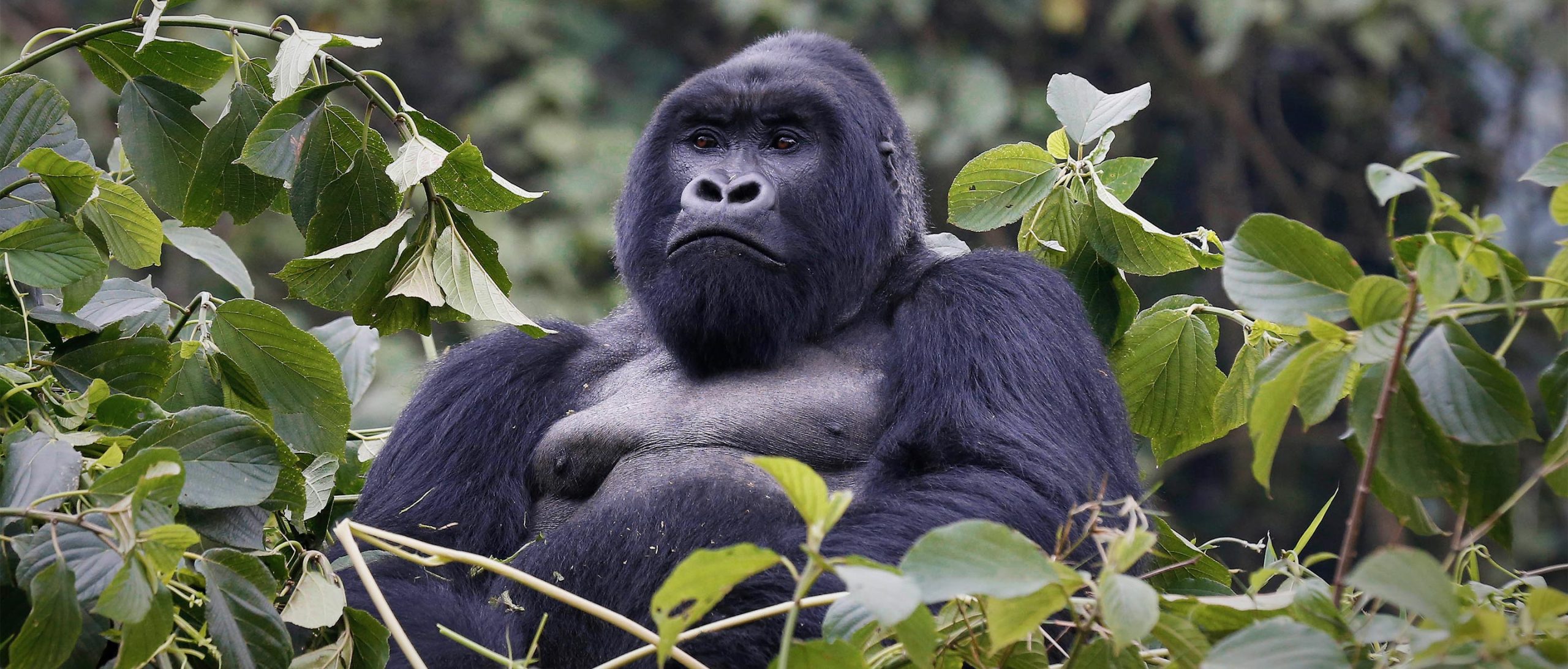
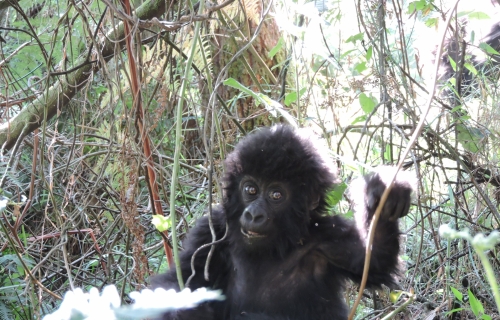
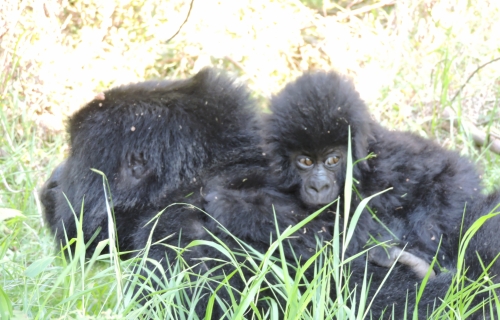
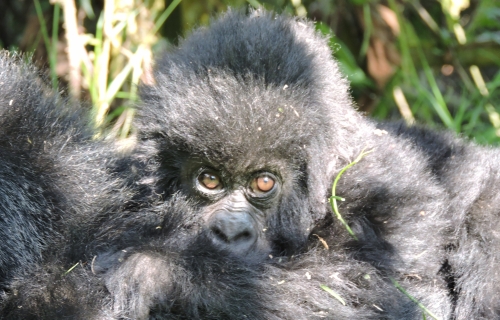
Mountain gorillas have thicker and longer hair than other gorilla species
Mountain gorillas have thicker and longer hair than other gorilla species.
This is an adaptation to the cold temperatures of their mountain environment, where temperatures sometimes get below freezing.
-
Mountain gorilla’s diet is high in tannins
Like all other gorilla species, mountain gorillas are herbivores and consume a plant-based diet of leaves, bamboo, roots, bark, bamboo shoots, as well as seasonal fruits and flowers. But, due to the high elevations at which mountain gorillas live, particularly in the Virunga Massif area, they consume less fruit than other gorilla species.
As a result, their diet is high in tannins. In fact, these are the same compounds that make your daily cups of tea and coffee bitter. Just like drinking coffee will stain your teeth overtime, the mountain gorillas’ teeth are stained to almost black by their high tannin diet.
-
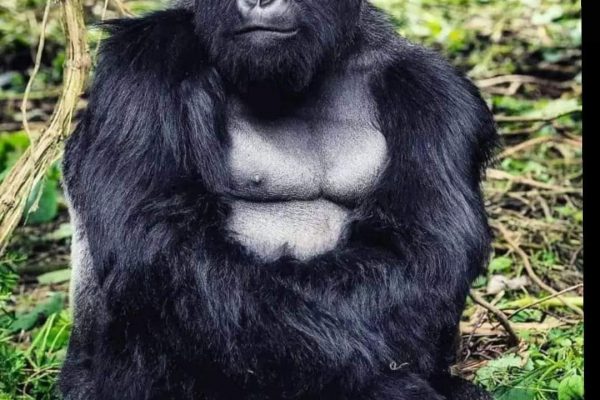
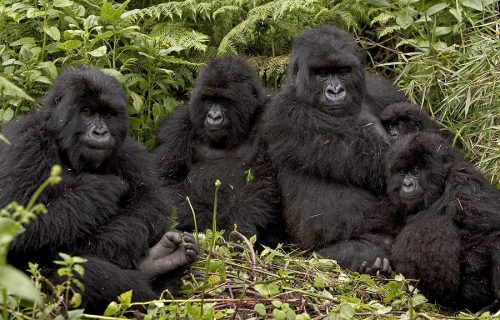
Mountain gorilla groups may have more than one silverback
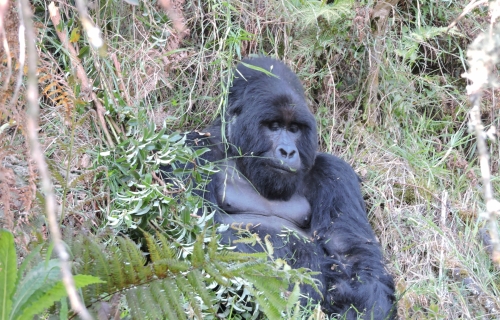
Family groups of three of the four gorilla subspecies typically have one adult male gorilla, known as a silverback. The silverback acts as the dominant individual in the group and make decisions about where to travel and when to stop, as well as protect the females and young gorillas.
However, around 40% of mountain gorilla families contain multiple adult silverbacks. In these families/groups, there is a hierarchy among the males, and there is still a single male who is dominant over all other individuals (called the dominant or alpha silverback). Because males do not transfer between groups (unlike females), subordinate silverbacks in a gorilla family were born into that group and at some point decide if they will stay and try to inherit dominance or if they will strike out on their own and try to attract females away from other groups to form their own family.
Subordinate silverbacks share the responsibility of protecting and directing the group, and while dominant males generally sire the majority of offspring, some subordinate males also reproduce.
-
Mountain gorillas are the only subspecies of gorilla whose population is increasing
While other populations of great apes (except humans) are decreasing in numbers, the mountain gorilla population is actually increasing. Over the last 30 years, mountain gorilla numbers have consistently risen. The gorilla census information is split between the Virunga population (living within the Virunga Massif made up of Volcanoes National Park in Rwanda, Virunga National Park in DR.Congo and Mgahinga Gorilla National Park in Uganda) and the Bwindi population (living in Bwindi Impenetrable National Park).
At the lowest point, the Virunga population dropped to approximately 250 individuals in the early 1980s, classifying them as critically endangered on the IUCN Red List. Today the same population stands just over 600 individuals. The Bwindi gorilla population is increasing as well as is currently standing at 400 individuals.
Due to this consistent increase, mountain gorillas have recently been reclassified from critically endangered to endangered, which is one step further away from extinction. The recovery of this incredible population is a result of the conservation leadership of the countries where mountain gorillas are found as well as the work of conservation groups like the Dian Fossey Gorilla Fund and its team of trackers, researchers, staff and donors.
How to See Mountain Gorillas
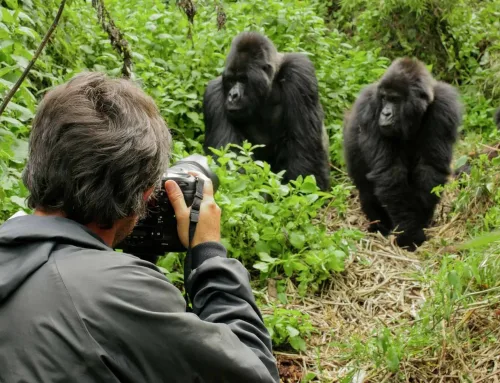
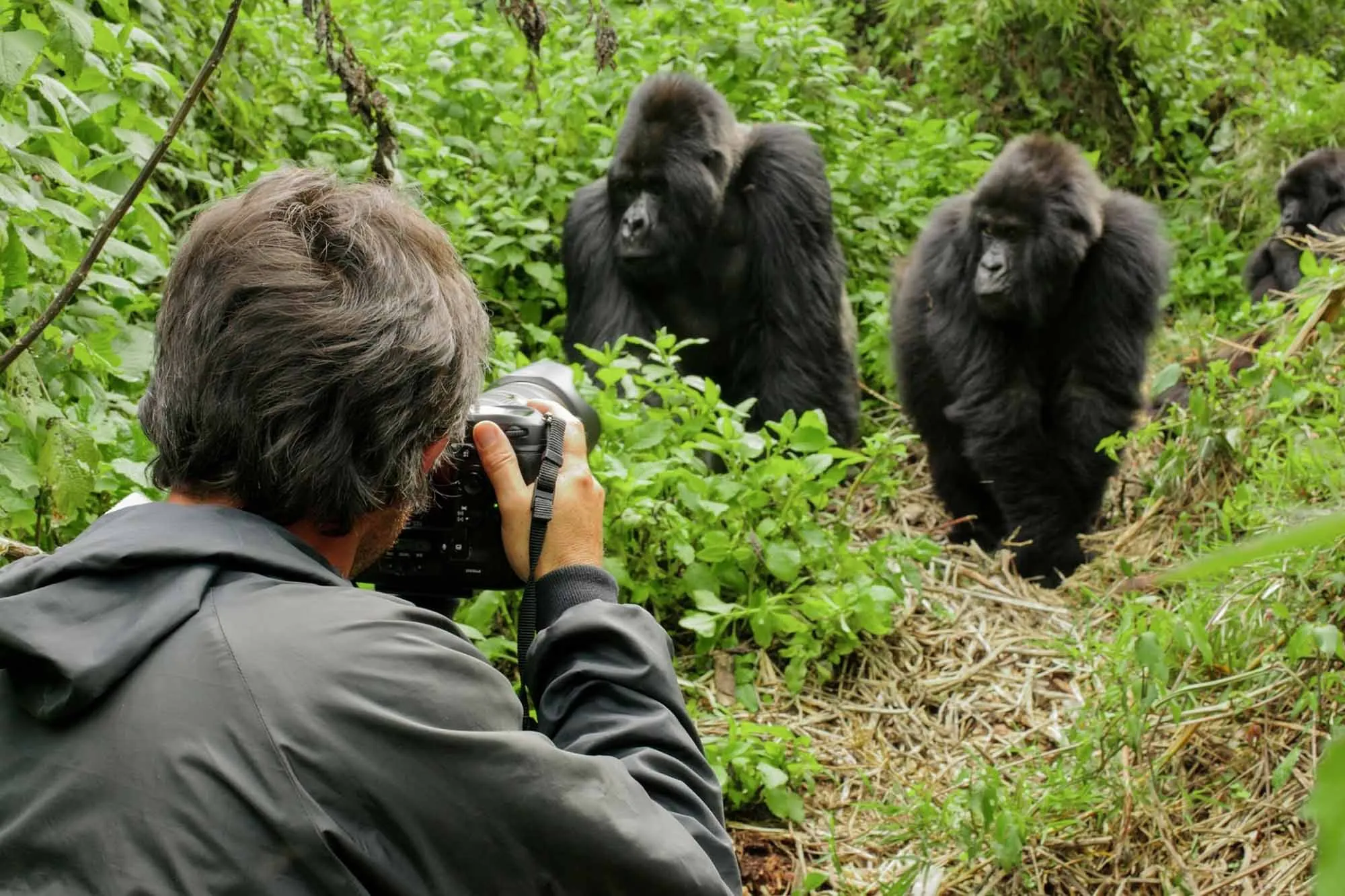
Tourists can see mountain gorillas on a gorilla trekking safari either in Uganda or Rwanda (due to the political instability, gorilla trekking is not possible in Virunga Volcanoes National Park as of 2026).
Tour operators like African Vacation Safaris organize all-inclusive gorilla trekking tours, catering for booking a gorilla permit, securing your accommodation, meals and transport. However, some travelers may choose to do the whole process by themselves.
Gorilla trekking tours in Uganda usually start from Entebbe with arrival at Entebbe International Airport and head southwest into the mountain rainforest jungles of Bwindi Impenetrable National Park or Mgahinga Gorilla National Park.
A gorilla permit in Uganda currently costs USD 800 and they are issued by Uganda Wildlife Authority, the only way to obtain a gorilla family is through a licensed tour operator. The gorilla permit allows you 60 minutes in the presence of a habituated gorilla family. For a more exclusive gorilla experience, we recommend a gorilla habituation experience only offered in Bwindi Impenetrable National Park, allowing you 4 hours with a semi-habituated gorilla family. A gorilla habituation permit costs USD 1,500 per permit.
In Rwanda, gorilla trekking tours start in Kigali with arrival at Kigali International Airport, then head to Volcanoes National Park which is 3 hours’ drive away. Rwanda is known for offering the most accessible gorilla trekking experience, a gorilla permit in Rwanda costs USD 1,500 per person per trek and can be obtained through a licensed tour operator or Rwanda Development Board.
The 3 Days Uganda Gorilla Trekking Safari customized by Rwanda gorilla trek starts from Kigali airport crossing to Uganda via Katuna Border or Cyanika Border. Learn More
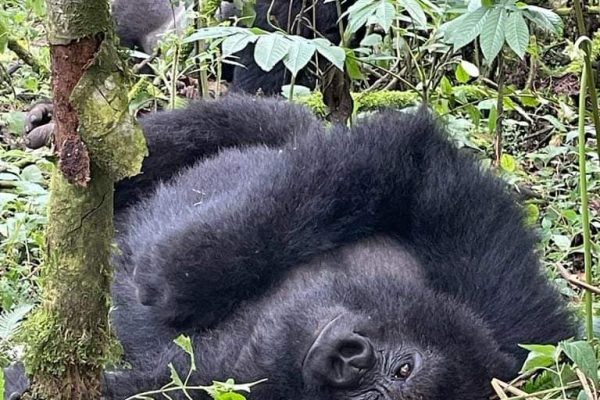
4 Days Uganda Gorilla Trekking starts from Kigali international airport drive through the land of thousand hills crossing to the pearl of Africa’s most known national park of Bwindi. Learn More
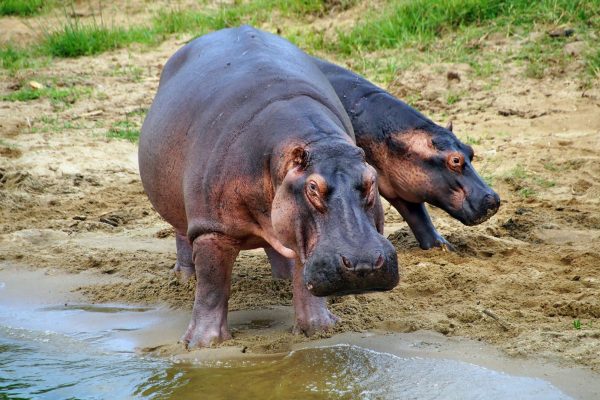
3 Days Uganda Wildlife Safari takes you to Lake Mburo National Park where you can spot rare wildlife such as lions, elephants, buffaloes, warthogs, antelope. Learn More
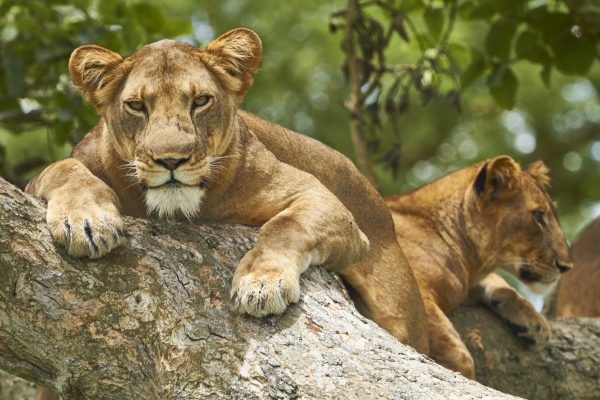
A 3 Day Uganda Wildlife Safari to Queen Elizabeth National Park can show you the magnificent wildlife of East Africa, such as lions, elephants, buffaloes. Learn More
5 Days Gorilla Trekking & Hiking trip to Mgahinga National Park located in southwestern Uganda. Plan a visit to the mountain gorillas, and golden monkey in Mgahinga. Learn More
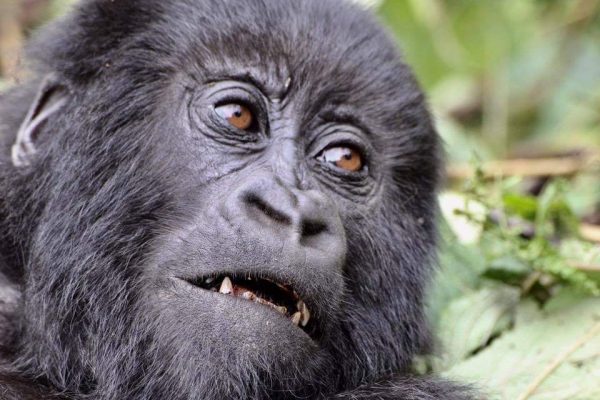
6 Days Uganda Gorilla trekking & wildlife safari tour to visit the mountain gorillas, Wildlife animals in Queen Elizabeth national park on a customized Uganda safari. Learn More
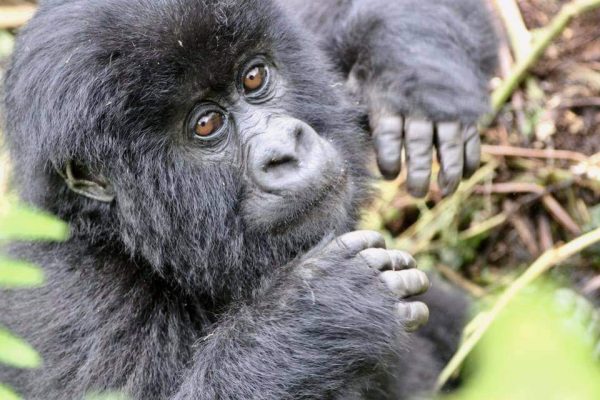
9 Days Uganda Safari to enjoy gorilla trekking on an ultimate gorilla safari adventure to Bwindi impenetrable forest national park, Wildlife viewing. Learn More
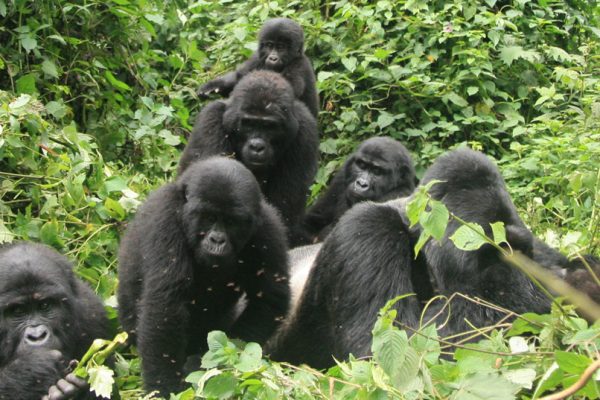
10 Days Uganda Gorilla & Wildlife Safari; Day 1: Arrival at Entebbe international airport, Day 2: Rhino Tracking at Ziwa & transfer to Murchison Falls, Day 3: Morning game drive and afternoon boat cruise, Day 4: Transfer to Queen Elizabeth National Park. Learn More
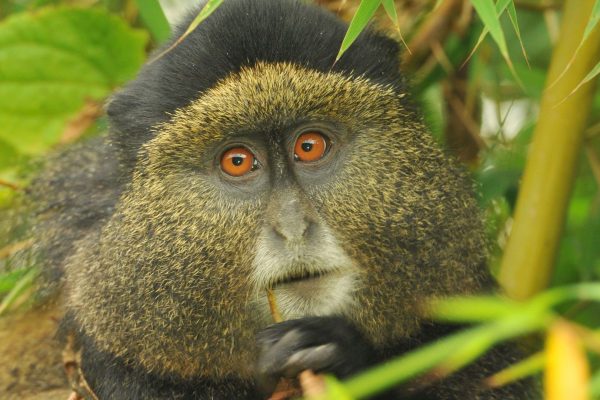
5 Days Uganda Primates Safari; Day 1: Arrival at Kigali international airport, Day 2: City tour, Day 3: Golden monkey habituation, Day 4: Gorilla Trekking Mgahinga national park, Day 5: Transfer to the airport. Learn More
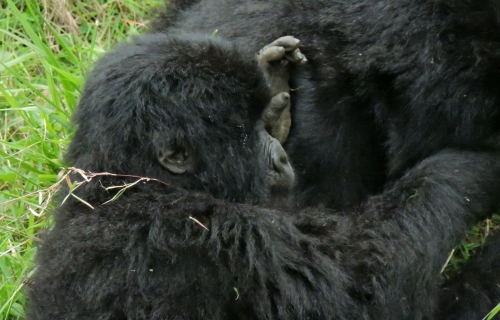
Book this 1 Day Rwanda Gorilla Trek and visit the mountain gorillas in Volcanoes National Park in the shortest time. Read More
Book a Perfect 1 Day Gorilla tour to Bwindi Impenetrable Forest in southern Uganda. The trip starts from Kigali and can depart daily at 3:30 AM. Read More
Book 3 Days Gorilla Safari to Volcanoes. This trip combines gorilla trekking & Golden monkey tracking, a visit to the twine lakes, and a Kigali city tour. Read More
5 Days Uganda Rwanda Safari is perfect for a double gorilla trekking experience with a great chance of comparing gorilla trekking in Mgahinga National Park & Volcanoes. Read More
5 Days Rwanda Congo Safari is a perfect gorilla trekking & Nyiragongo hike in Congo on a combined multi Country safari to visit the mountain gorillas. Read More
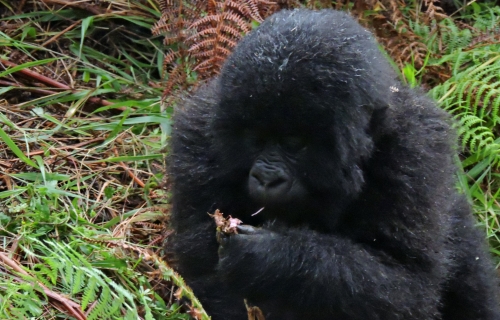
Book 5 Days Rwanda Primate Tour offered by Rwanda gorilla trek the destination expert in Safaris to Rwanda throughout the entire year. Read More
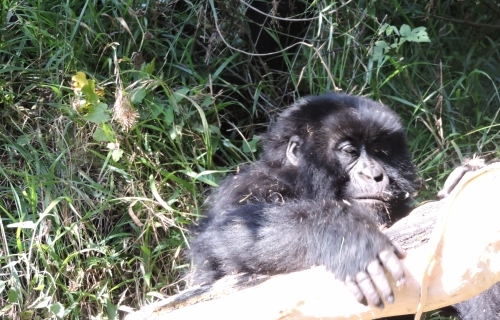
9 Days Gorilla Trekking Safari. Plan for a multi-country Safari to visit Africa? Click here to read about the Gorilla Trek within Rwanda, DR Congo & Uganda for Gorilla trekking. Read More
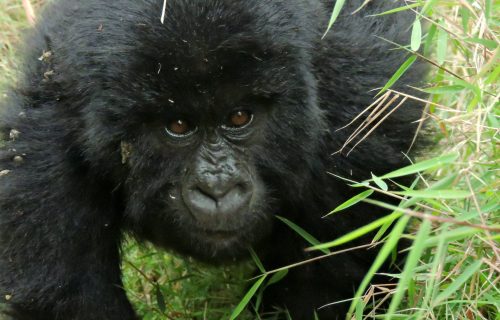
Get the Best out of 13 Days Rwanda Uganda Gorilla and Wildlife Safari with Active African Vacations that begins from Rwandan Airport Kigali and ends in Uganda. Read More
Book 5 Days Rwanda Primate Tour offered by Rwanda gorilla trek the destination expert in Safaris to Rwanda throughout the entire year. Read More
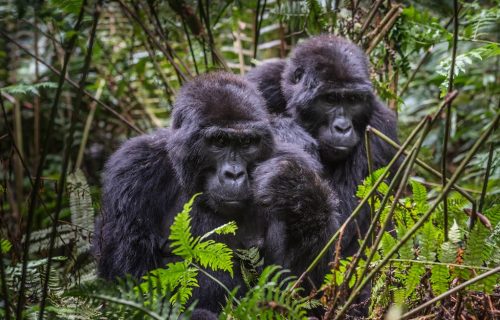
Plan for a 4 Days Double Gorilla Trekking Rwanda in volcanoes national park to visit the mountain gorillas two times watching the two different silverbacks. Read More
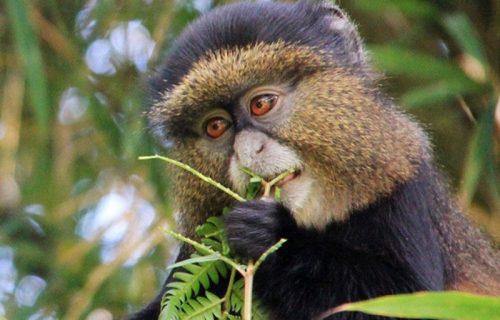
5 Days Uganda Primates Safari; Day 1: Arrival at Kigali international airport, Day 2: City tour, Day 3: Golden monkey habituation, Day 4: Gorilla Trekking Mgahinga national park. Read More
7 Days Rwanda Safari – Gorilla & Golden Monkey Trekking; Day 1: Arrival at Kigali international airport, Day 2: Transfer to volcanoes national park. Read More