
Ways to Protect Mountain Gorillas in Rwanda, Uganda & Congo
Mountain gorillas (Gorilla beringei beringei) are among the most endangered primates on Earth. Found only in the misty montane forests of Uganda, Rwanda, and the Democratic Republic of Congo (DRC), these majestic great apes share approximately 98.3% of their DNA with humans. As of 2024, fewer than 1,100 mountain gorillas survive in the wild — a number that, while recovering, remains critically fragile.
Understanding ways to protect mountain gorillas is not just an ecological imperative — it is a moral one. This comprehensive guide explores the most impactful conservation strategies being employed across Rwanda, Uganda, and Congo, and explains how travelers, governments, communities, and NGOs can contribute to ensuring that mountain gorillas thrive for generations to come.

| Key Conservation Fact
Mountain gorillas are one of the only great ape species whose population is actually increasing, thanks to sustained conservation efforts. From fewer than 620 individuals in 1989, the population has grown to over 1,000 — a testament to what targeted protection can achieve. |
Mountain Gorilla Population Distribution (Rwanda, Uganda & Congo)
| Country | Key Habitat | Est. Population Share | Primary Park |
| Uganda | Bwindi Impenetrable Forest | ~50% | Bwindi NP & Mgahinga Gorilla NP |
| Rwanda | Volcanoes National Park | ~25% | Volcanoes National Park |
| DR Congo | Virunga Massif | ~25% | Virunga National Park |
1. Establishing and Strengthening Protected Areas
One of the most effective ways to protect mountain gorillas is through the creation and enforcement of national parks and protected habitats. All three gorilla range countries — Uganda, Rwanda, and DR Congo — have designated critical forest areas as national parks, but the quality of protection varies significantly.
Uganda: Bwindi Impenetrable Forest & Mgahinga
Bwindi Impenetrable National Park, a UNESCO World Heritage Site, is home to approximately half the world’s mountain gorilla population. Gazetted in 1991, Bwindi covers 331 km² of ancient montane forest straddling the Albertine Rift. The Uganda Wildlife Authority (UWA) manages ranger patrols, veterinary monitoring, and community buffer zones around the park.
Mgahinga Gorilla National Park, Uganda’s smallest park at just 33.7 km², protects the Ugandan portion of the Virunga Massif and hosts one habituation gorilla family open to extended tourist visits.
Rwanda: Volcanoes National Park
Rwanda’s Volcanoes National Park (Parc National des Volcans) covers 160 km² of the Virunga mountain range and is home to some of the most-studied gorilla families in the world, including those habituated by Dian Fossey in the 1960s and 70s. The Rwanda Development Board (RDB) has invested heavily in anti-poaching infrastructure, with GPS-tracked ranger teams and drone surveillance now supplementing traditional foot patrols.
DR Congo: Virunga National Park
Africa’s oldest national park, Virunga National Park, is also its most threatened. Despite protecting gorilla habitat in eastern Congo, ongoing armed conflict, illegal charcoal production, and oil exploration concessions within the park pose existential threats. Organizations like the Virunga Alliance work alongside park rangers — tragically, over 200 Virunga rangers have been killed in the line of duty over the past two decades.
| ⚠️ Conservation Alert: The Congo Threat
Eastern DR Congo remains the most dangerous gorilla habitat in the world. Armed rebel groups control portions of Virunga NP, making ranger patrols life-threatening. Supporting organizations like the Virunga Foundation directly funds ranger salaries, equipment, and community stabilization programs. |
 2. Anti-Poaching Patrols and Law Enforcement
Despite full legal protection, mountain gorillas face ongoing threats from poaching — both direct targeting and accidental snaring. Wire snares set for bushbuck and other game animals frequently injure or kill gorillas. Strengthening anti-poaching operations is therefore a cornerstone of gorilla conservation.
Ranger Patrol Programs
Uganda, Rwanda, and Congo all maintain ranger teams whose primary mandate is to patrol gorilla habitat and remove snares. Key anti-poaching initiatives include:
Snare Removal: Daily snare sweeps conducted on known wildlife trails throughout gorilla ranges
Individual Monitoring: 24/7 gorilla monitoring by trained trackers who follow each habituated family every day
Intelligence Networks: Intelligence-led anti-poaching operations targeting traffickers and bushmeat networks
Transfrontier Cooperation: Cross-border collaboration between Uganda, Rwanda, and DRC rangers in the Virunga-Bwindi transfrontier zone

IGCP and the International Gorilla Conservation Programme
The IGCP (International Gorilla Conservation Programme), a coalition of WWF, Fauna & Flora International, and the African Wildlife Foundation, coordinates transboundary anti-poaching operations across all three range countries. Their Multi-Stakeholder Platform brings together park managers, government officials, and community representatives to share intelligence and align ranger deployment.
3. Gorilla Habituation and Veterinary Health Programs
Habituating wild gorillas to human presence serves a dual purpose: it enables tourist visits that fund conservation, and it allows veterinary teams to monitor gorilla health and intervene when animals are injured or sick.
The Habituation Process
Gorilla habituation takes 2–4 years of gradual, daily contact between ranger-tracker teams and a wild gorilla family. Teams approach slowly, mimic gorilla vocalizations, and retreat when families show stress. Over time, the gorillas learn that humans pose no threat. Only gorillas that are fully habituated are open to tourist trekking permits.
Veterinary Interventions
The Mountain Gorilla Veterinary Project (MGVP), now managed under the Wildlife Conservation Society (WCS) as Gorilla Doctors, provides rapid-response veterinary care for injured and sick gorillas. Key activities include:
Snare Removal Surgery: Anesthetization and surgical removal of wire snares from injured gorillas
Respiratory Disease Management: Treatment of respiratory diseases — the leading cause of gorilla mortality — using human medicines adapted for apes
Disease Surveillance: Regular fecal sample collection for parasite screening and disease surveillance
Infant Survival Programs: Neonatal monitoring of newborn gorillas to improve infant survival rates

| Gorilla Doctors: Saving Lives One Gorilla at a Time
Gorilla Doctors has performed over 900 medical interventions since 1986. Each intervention requires international-level primate veterinary expertise. The organization estimates that each intervention directly saves an individual that would otherwise likely have died — meaning gorilla medicine has prevented the equivalent of 10–15% population decline. |
4. Community-Based Conservation and Revenue Sharing
Mountain gorillas cannot survive without the support of the communities living on their forest borders. In Uganda, Rwanda, and Congo, millions of subsistence farmers live adjacent to gorilla parks. Without economic incentives to protect gorillas, communities may encroach on habitat for farmland, harvest forest resources illegally, or tolerate poachers in exchange for income.
Revenue Sharing Models
All three range countries have implemented tourism revenue-sharing programs that return a percentage of gorilla trekking permit fees directly to local communities:
Uganda — UWA 20% Share: Uganda Wildlife Authority returns 20% of all park entrance fees to adjacent communities for development projects including schools, water sources, and health clinics
Rwanda — RDB Revenue Share: Rwanda Development Board channels gorilla revenue into the “1,500 fund” providing grants to parishes surrounding Volcanoes NP
DRC — Virunga Alliance Programs: Virunga Alliance in DRC invests in hydropower, fishing, and agriculture to reduce community dependence on park resources
Community Ranger Programs
Recruiting local community members as park rangers creates powerful ownership over gorilla conservation. Community rangers often have deep knowledge of forest trails, local wildlife, and — critically — can identify and report poaching activity. Both UWA in Uganda and RDB in Rwanda actively recruit from adjacent communities.
Gorilla Guardian Village Programs
Organizations like the Gorilla Organization and the African Wildlife Foundation run programs that identify and support former poachers, converting them into Gorilla Guardians — paid community monitors who track gorilla movements near park boundaries and alert rangers to threats. These programs have proven remarkably effective at reducing human-wildlife conflict.
5. Sustainable and Regulated Gorilla Trekking Tourism
When properly managed, gorilla trekking tourism is one of the most powerful conservation tools available. High permit prices create significant revenue for conservation, and the direct economic value of each gorilla family incentivizes protection. However, unregulated tourism poses serious disease transmission risks.
Gorilla Trekking Permit Fees and What They Fund
Rwanda charges $1,500 per person per gorilla trekking permit — the highest in the world — generating tens of millions of dollars annually for Volcanoes National Park management. Uganda charges $800 per permit, while DRC charges $450 (lower to remain accessible despite security risks). These fees fund ranger salaries, veterinary programs, community development, and anti-poaching infrastructure.
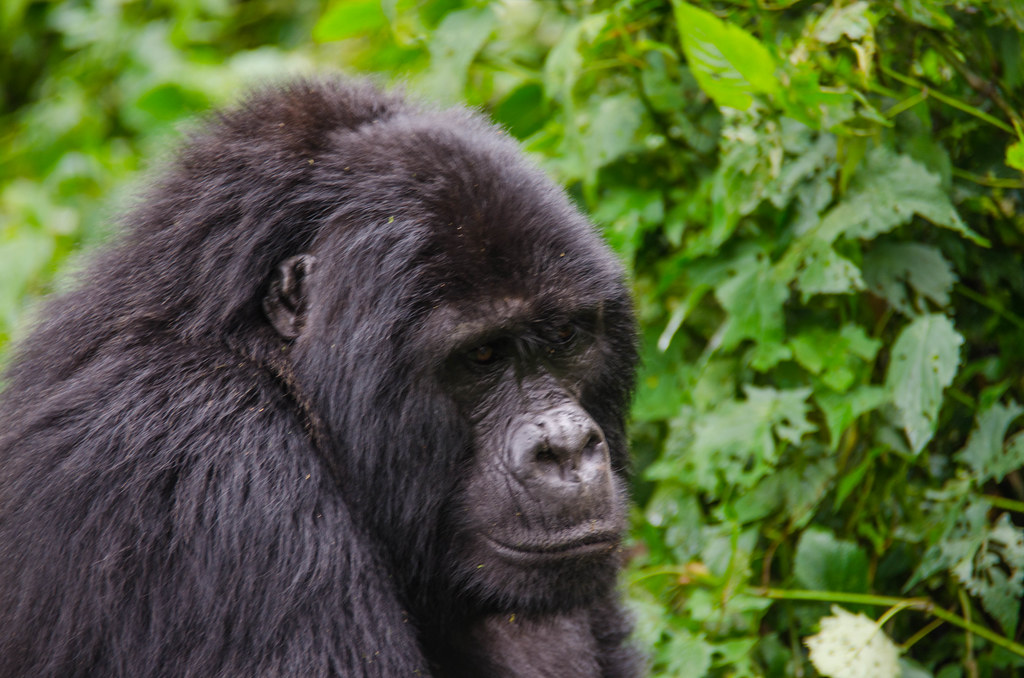 Tourism Rules That Protect Gorillas
Strict regulations govern gorilla trekking to protect gorillas from disease transmission and stress:
Group Size Limit: Maximum 8 visitors per gorilla family per day to minimize stress and disease exposure risk
Distance Rule: Mandatory 7-meter (23 feet) minimum distance from gorillas at all times
Time Limit: Maximum 1-hour time limit per visit to reduce gorilla stress
Health Screening: Visitors with respiratory illness, flu, or any contagious disease are prohibited from trekking
Mask Policy: Masks are recommended and increasingly required following the COVID-19 pandemic to reduce pathogen transfer
Photography Rules: No flash photography, which can startle and stress gorilla families
| Travel Tip: Why Rwanda’s $1,500 Permit Is Worth It
Rwanda’s premium gorilla permit — the most expensive in Africa — funds world-class ranger training, veterinary programs, and community development. When you pay $1,500 to trek gorillas in Volcanoes National Park, you are directly funding the conservation infrastructure that has driven Rwanda’s gorilla population to record highs. It is one of the most impactful conservation dollars a traveler can spend. |
6. Habitat Protection and Forest Restoration
Mountain gorillas require large, intact, biodiverse forest ecosystems. Deforestation for agriculture, charcoal production, and timber extraction has historically been the primary driver of gorilla habitat loss. Protecting and restoring forest cover is essential for long-term gorilla survival.
Stopping Illegal Forest Encroachment
Agricultural encroachment into gorilla parks remains a pressing threat in all three range countries. Enforcement measures include aerial surveillance, community boundary monitoring, and legal prosecution of encroachers. Buffer zone programs — where edge communities receive support for high-yielding agroforestry — reduce pressure on park boundaries.
Forest Restoration Initiatives
Several organizations are actively replanting native forest species in degraded gorilla corridors:
Virunga-Bwindi Corridor: The Greater Virunga Transboundary Collaboration (GVTC) has identified critical forest corridors between Bwindi and the Virunga Massif that could allow gorilla populations to interbreed, increasing genetic diversity
Rwanda Reforestation: Rwanda has reversed historical deforestation trends with aggressive reforestation programs, including the replanting of native Hagenia and Hypericum forest species on Volcanoes NP boundaries
Uganda Buffer Zones: Uganda’s National Forestry Authority manages buffer zone reforestation around Bwindi, partnering with communities to plant native species that provide fuelwood alternatives
Climate Change Adaptation
Mountain gorillas are adapted to cool, high-altitude forest environments. Climate change is driving upward shifts in temperature and precipitation patterns across the Virunga and Bwindi highlands. Conservation strategies now incorporate climate modeling to identify where gorillas may need to move as habitats shift, and which corridors must be protected to allow that movement.
7. Research, Monitoring, and Technology
Effective gorilla conservation depends on excellent scientific data. Long-term research programs generate the knowledge base that drives management decisions, while emerging technologies are transforming the ability to monitor gorillas and their threats at scale.
 The Dian Fossey Gorilla Fund: 50+ Years of Research
Founded in 1978 by the late primatologist Dian Fossey, the Dian Fossey Gorilla Fund International (DFGFI) has maintained the longest-running continuous gorilla monitoring program in the world at the Karisoke Research Center in Rwanda’s Volcanoes National Park. This program generates individual life-history data on hundreds of gorillas across multiple generations, providing the scientific foundation for conservation policy.
Technology Tools in Gorilla Conservation
GPS Tracking: GPS tracking collars on habituated gorillas allow real-time location monitoring without daily tracker contact
Drone Surveillance: Drone surveillance supplements ranger patrols to cover terrain too difficult or dangerous for foot patrols, especially in DRC
SMART Patrol Software: SMART (Spatial Monitoring and Reporting Tool) software standardizes ranger patrol data collection across all three countries, enabling analysis of patrol coverage gaps
Camera Trap Networks: Camera traps monitor gorilla movements in unhabituated family ranges and detect human intrusion in sensitive zones
Environmental DNA Monitoring: eDNA sampling from water sources and vegetation allows non-invasive disease screening across gorilla ranges
8. Disease Prevention and Biosecurity
Because mountain gorillas share 98.3% of their DNA with humans, they are highly susceptible to human diseases. Respiratory illness — essentially the common cold — can be fatal to gorillas. Disease prevention is therefore one of the most critical and underappreciated aspects of gorilla conservation.
Key Disease Prevention Measures
Distance Protocols: All gorilla trackers and tourists are required to maintain a minimum 7-meter distance to reduce aerosol transmission of respiratory pathogens
Ranger Health Screening: Gorilla-sector rangers undergo regular health screening; anyone showing illness symptoms is rotated out of gorilla contact duty
COVID-19 Protocols: Following COVID-19, mask wearing has become standard practice in gorilla sectors across all three countries, as SARS-CoV-2 and related coronaviruses pose severe risk to great apes
Rapid Disease Response: Gorilla Doctors conducts regular fecal parasite screening and responds to disease outbreaks within 24–72 hours
Vaccination Research: Vaccine research programs are exploring whether mountain gorillas could be vaccinated against measles, respiratory syncytial virus (RSV), and other human-origin threats
 9. International Policy, Funding, and Advocacy
Mountain gorilla conservation operates within complex international policy frameworks and requires sustained funding from governments, NGOs, multilateral donors, and the private sector. Ensuring that gorilla conservation remains a political and financial priority is itself an important conservation strategy.
Key International Frameworks
CITES Appendix I Protection: CITES (Convention on International Trade in Endangered Species) lists mountain gorillas under Appendix I, making any commercial trade illegal under international law
African Apes Initiative: The African Apes Initiative (AAI) coordinates regional governments and conservation partners across gorilla range states
GVTC Treaty Framework: The Greater Virunga Transboundary Collaboration (GVTC) is a formal treaty framework among Uganda, Rwanda, and DRC that governs joint conservation of the Virunga-Bwindi landscape
UNESCO World Heritage Status: UNESCO World Heritage Status for both Bwindi and Virunga creates international political accountability for their protection
How Individuals Can Contribute
You do not need to be a government or a major NGO to make a meaningful difference for mountain gorillas. Here are actionable ways individuals can support gorilla conservation:
Trek with a Permit: Book a gorilla trekking permit through official channels in Uganda, Rwanda, or DRC — your permit fee directly funds conservation
Donate to Conservation NGOs: Donate to reputable organizations: Dian Fossey Gorilla Fund, Gorilla Doctors, Wildlife Conservation Society, WWF, Fauna & Flora International, the Virunga Foundation, or the African Wildlife Foundation
Stay at Eco-Lodges: Choose eco-certified lodges near gorilla parks that reinvest in community development and conservation programs
Spread Awareness: Raise awareness by sharing accurate information about gorilla conservation on social media and in your networks
Sustainable Purchasing: Avoid purchasing products made with tropical hardwoods linked to deforestation in Central Africa
10. Transboundary Conservation: The Greater Virunga Landscape
Mountain gorillas do not respect international borders — and neither can conservation efforts. The Greater Virunga Landscape (GVL), spanning Uganda, Rwanda, and DRC, is one of Africa’s most critical transboundary conservation areas. Effective gorilla protection requires seamless coordination across three sovereign nations.
The Greater Virunga Transboundary Collaboration (GVTC)
Established in 2015, the GVTC brings together Uganda Wildlife Authority, Rwanda Development Board, and the Institut Congolais pour la Conservation de la Nature (ICCN) in a formal framework for joint management of the Greater Virunga Landscape. Key GVTC programs include joint anti-poaching operations, shared ecological monitoring, coordinated community engagement, and transboundary law enforcement protocols.
The Virunga-Bwindi Corridor
Perhaps the most important conservation challenge in the Greater Virunga Landscape is the re-establishment of a forest corridor connecting Bwindi Impenetrable Forest in Uganda with the Virunga Massif in Rwanda and DRC. This corridor would allow gorilla populations currently separated by agricultural land to interbreed, dramatically increasing genetic diversity and population resilience. Land acquisition, community agroforestry, and government negotiations are all required to make this corridor a reality.
| The Bottom Line: Gorillas Need All of Us
Mountain gorilla conservation is a rare success story — one that proves that sustained, science-based, community-inclusive conservation works. But the work is never done. Every ranger patrol, every gorilla trekking permit, every research publication, and every community development project is a brick in the wall between survival and extinction for Africa’s most iconic great ape. Whether you are a traveler, a researcher, a donor, or an advocate, your role in this story matters. |
Conclusion
Protecting mountain gorillas in Rwanda, Uganda, and the Democratic Republic of Congo requires a multi-layered, multi-stakeholder approach that simultaneously addresses habitat protection, anti-poaching enforcement, veterinary care, community development, responsible tourism, scientific research, disease biosecurity, and international policy coordination.
The growth of the mountain gorilla population from under 620 in 1989 to over 1,100 today is one of conservation’s greatest achievements — and one of the clearest proof points that conservation investment works. But complacency is dangerous. Ongoing threats from armed conflict in DRC, climate change, agricultural encroachment, and disease mean that the mountain gorilla’s recovery remains fragile.
By supporting responsible gorilla trekking tourism, contributing to conservation NGOs, advocating for strong international policy, and staying informed, each of us can play a role in ensuring that mountain gorillas continue to roam the misty forests of East and Central Africa for centuries to come.
Quick Reference: Key Mountain Gorilla Conservation Organizations
| Organization | Country Focus | Key Program |
| Dian Fossey Gorilla Fund | Rwanda (Karisoke) | Long-term research & monitoring |
| Gorilla Doctors (WCS) | Uganda, Rwanda, DRC | Veterinary medicine |
| IGCP (WWF/FFI/AWF) | All three countries | Transboundary coordination |
| Virunga Foundation | DR Congo | Ranger support & community |
| Rwanda Development Board | Rwanda | Tourism & permit management |
| Uganda Wildlife Authority | Uganda | Park management & rangers |
| African Wildlife Foundation | Uganda, Rwanda | Community conservation |
| Wildlife Conservation Society | DRC, Rwanda | Science & anti-poaching |
