
Ebola outbreak in Uganda 2026: What tourists need to know
As of the 15th of May, 2026. The World Health Organisation conducted laboratory research following the death of a number of people in the Democratic Republic of Congo. The test returned positive with the Bundibugyo virus disease- a species of Ebola and since then have worked with different parties in search for a vaccine for this virus but unlike the other Ebola strains, no vaccine has been developed for this virus so far leading to the continuous spread of the Ebola disease in the Democratic Republic of Congo with a fatality rate of between 30% to 50%. Following this incidence, ministry of Public Health, Hygiene and Social welfare in the Democratic Republic of Congo officially declared the 17th out break of the Ebola disease in the Democratic Republic of Congo.
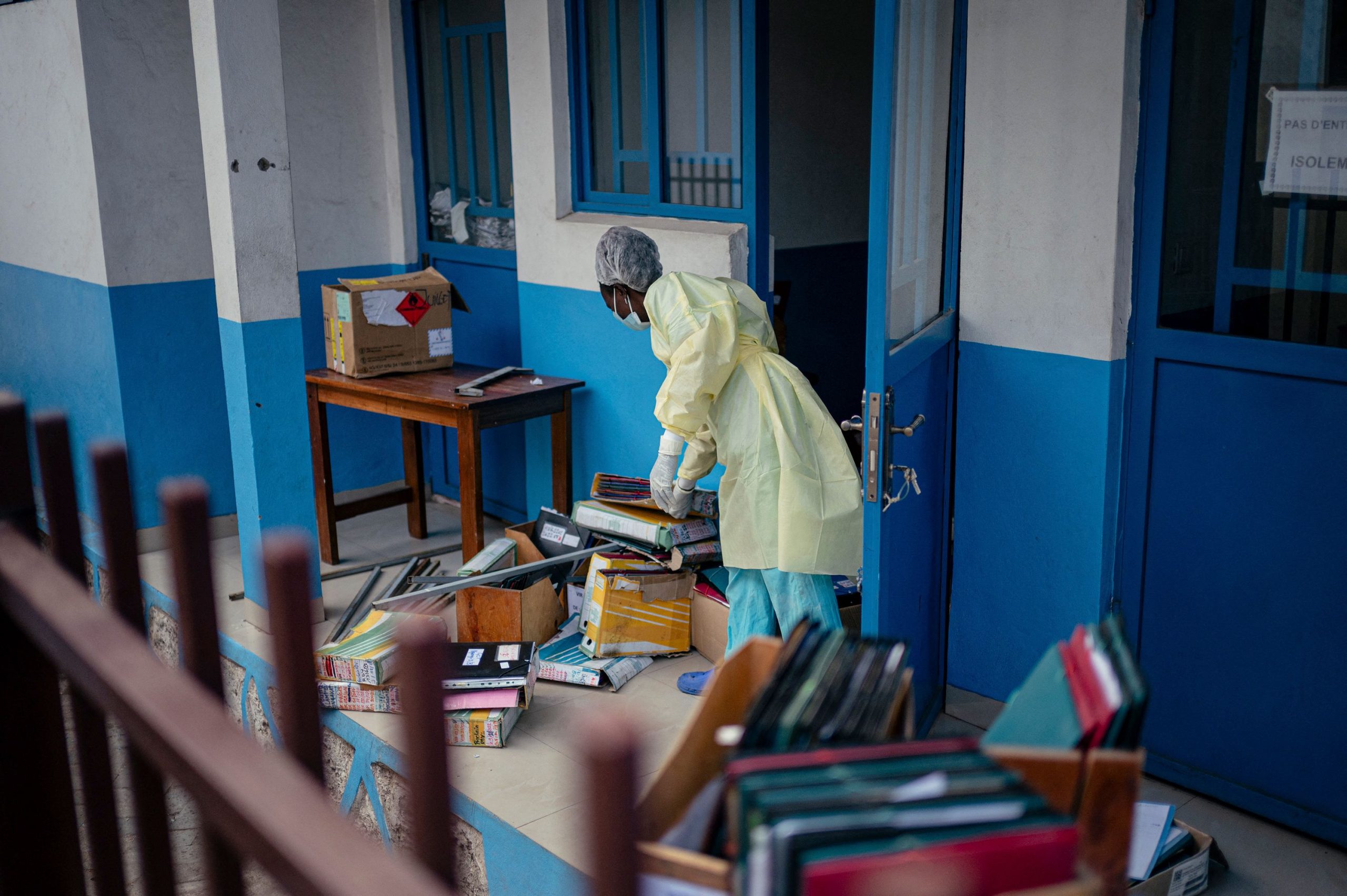 Concurrent to the cases in the Democratic Republic of Congo, the ministry of Health in Uganda confirmed an outbreak of the BVD in Uganda following the registration of one Ebola case from a Congolese man who imported it from the Democratic Republic of Congo into the capital city of Uganda- Kampala, where he died.
After discussions with the States Parties where the event is known to be currently occurring, the World Health Organization determined that the Ebola disease caused by Bundibugyo virus in DRC and Uganda constitutes a public health emergency of international concern.
The outbreak of Ebola has since increased health surveillance in Uganda as well as the neighbouring countries and response measures have been put in place to prevent further spread of the virus. While the situation has raised concerns among the citizens as well as tourists planning safaris to Uganda and East Africa at large, tourism activities in all parts of Uganda such as gorilla trekking and wildlife safaris continue as usual however under strict health guidelines and monitoring protocols therefore it is important for all travelers planning a visit to Uganda or other East African countries to understand the affected areas and safety measures that are being followed to ensure that they make an informed safari decision.
While there is no clear prediction of the out comes of this outbreak, health authorities in Uganda, together with the World Health Organization and other parties, are actively monitoring and containing the outbreak through screening, contact tracing, mass sensitization and public health interventions.
Is It Safe to Travel to Uganda in 2026?
As of the letter released by the Uganda tourism Board dated 18th May, 2026, Uganda remains open and welcoming to tourists and many other travelers planning to visit the country for different businesses or the different tourism activities such as gorilla trekking, wildlife safaris, birdwatching, among others.
Visitors and tourism practitioners are however encouraged to observe the standard health measure set up by the ministry of health in Uganda to ensure their safety while enjoying Uganda’s diverse tourism experiences. The government of Uganda through the ministry of health continues to ensure zero transmissions among the locals through the rapid response systems being implemented nationwide.
Travelers are however advised to follow the guidelines below when planning a visit to Uganda.
 Closely monitor the official travel advisories before departure
- Purchase the comprehensive travel insurance that includes an emergency medical evacuation coverage.
- Follow the public health guidelines issued by the health authorities.
- Take up flexible booking options designed by the different local tour operators to ensure value for money.
Should You Cancel Your Uganda Safari?
Naturally, the outbreak of Ebola has caused panic among travelers planning a safari to Uganda rising the concern of many who had already booked a safari to Uganda and the neighbouring countries to either cancel, postponed or go ahead with their initial safari plans.
At the moment, there is no blanket recommendation to cancel your travel to Uganda however travelers can make their independent decisions on this by closely following the day-to-day updates on the Ebola outbreak, following the official government advisories, and taking into consideration their personal health.
Many travelers continue to visit East Africa safely during this localized outbreak by following recommended precautions and staying informed. Additionally, most of Uganda’s popular tourism destinations are safe being that they are quite distant from the areas where Ebola has been reported.
Travelers should however keep it in mind that health monitoring measures may be present at almost all airports, hotels, land borders or park entry points throughout the country and are advised to comply with these to minimize transmission risks.
What are the signs and symptoms of Ebola
The symptoms of Ebola start to appear 2 to 21 days after an individual has been exposed to the virus however on average, most individuals start showing the symptoms of Ebola between 8 to 10 days following exposure.
The early symptoms of Ebola are commonly referred to as dry symptoms and these include;
- Fever
- Muscles and joint pains
- Severe headache
- Body weakness and fatigue
- Sore throat
Since these are symptoms similar to several other common infectious diseases such as malaria and typhoid, it may be quite confusing for many health care providers.
After about 4 to 5 days of experiencing dry symptoms, an Ebola patient progresses to the wet symptoms that include;
- Loss of appetite
- Unexplained bleeding
- Nausea
- Abdominal pain
- Diarrhoea
- Vomiting
- Chest pain
- Shortness of breath
- Confusion
- Red eyes
- Skin rush
- Seizures
An individual experiencing any of the symptoms of Ebola during or after travel should immediately seek medical attention and disclose recent travel history.
How is Ebola spread from one person to another?
Ebola is not an air borne disease therefore requires physical contact with the infected person either through body fluids or broken skin. These body fluids include urine, saliva, sweat, faeces, vomit, breast milk, and amniotic fluid. Other than direct contact with these fluids, contact with the belongings of a sick person such as clothing, beddings, needles and medical equipment can lead to transmission of this disease as well.
Ebola can also be transmitted sexually through semen of a person who has just recovered from Ebola.
 Impact on Gorilla Trekking Tourism
Mountain gorilla trekking remains one of Uganda’s most important tourism activities and at the moment gorilla trekking activities are on-going as usual in the gorilla national parks of Bwindi Impenetrable national park and Mgahinga national park.
Despite the continuous on-going gorilla trekking activities in Uganda, more strict health regulations have been put in place to ensure safety of these endangered species. Mountain gorillas share a 98% DNA with humans making them highly prone to human sickness yet their bodies do not have the ability to fight against these human diseases. Visitors feeling unwell are therefore strongly advised not to participate in gorilla trekking activities.
How Tourism Operators Are Responding to the Ebola outbreak
Tourism operators in Uganda, lodges, and safari camps are implementing enhanced hygiene and guest safety measures to ensure that safari guests visit and fully enjoy the beauty of the pearl of Africa and return safely. These health measures include but are not limited to;
- Frequent sanitization of vehicles and surfaces at the accommodation
- Staff health monitoring
- Providing hand sanitizers to the visitors
- Reduced-contact check-in procedures at the accommodation
