
Where do gorillas live; Gorilla Habitat
There are a few wildlife encounters on this planet that compare to coming face-to-face with the gorillas in their natural habitat. These gentle giants, sharing over 98% of human DNA, live in the tropical rain forests of Africa making gorilla trekking one of the most exclusive and unforgettable safari experiences to take in Africa.
Despite their magnificent and gentle in nature, gorillas are facing a habitat loss at an alarming rate as a result of deforestation which is driven by human activities such as farming and mining. Over the years, as a result of human activities such as poaching, gorillas have become critically endangered species therefore as a conservation measure, the remaining gorilla populations are now largely isolated and protected in national parks in the respective destinations.
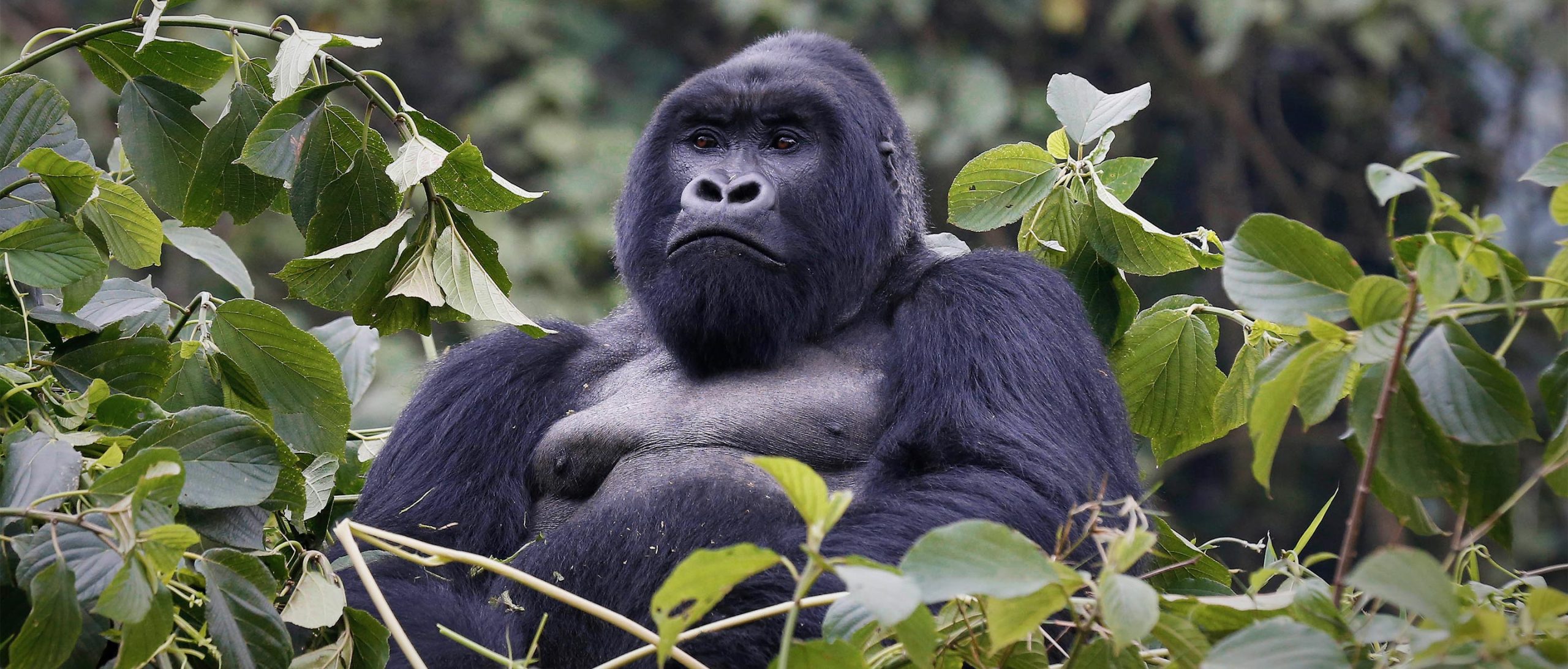 Gorillas are distributed into two species; the western gorillas and the eastern gorillas. Each of these species are also further sub-divided into subspecies and these differ distinctly both in external characteristic and genetic material and live in the different regions of Africa separate from each other as shown.
-
The mountain gorillas
These are a subspecies of the Eastern gorillas. The mountain gorillas are bigger in size and their bodies are covered with thick long blackish fur which is adopted to keep them warm since they live in high altitudes. This black fur distinguishes them from the western gorillas that have brownish hair.
Mountain gorillas are only found in Uganda, Rwanda and the Democratic Republic of Congo with Uganda having more than half of the total population of mountain gorillas in the world in its Bwindi Impenetrable national park and Mgahinga gorilla national park both located in southwestern Uganda. In Rwanda, mountain gorillas are found in Volcanoes national park while in the Democratic Republic of Congo they are found in Virunga national park.
Despite existing in the 4 national parks in Uganda, Rwanda and the Democratic republic of Congo, mountain gorillas have two major groupings; those that live on the slopes of the Virunga mountain ranges that is, in Volcanoes national park in Rwanda, Mgahinga gorilla national park in Uganda and Virunga national park in the Democratic Republic of Congo, and those that live in the Impenetrable forests of Bwindi in Uganda. These mountain gorillas are exactly the same and the trekking experience are similar except in Bwindi you will encounter a thick rain forest where as in the Virunga ranges you will encounter a bamboo forest.
These areas comprise a high altitude (up to 4000m above sea level) that supports dense vegetation and this allows the mountain gorillas thrive.
 How much do I need to go on a gorilla trekking safari?
While there are several expenses to keep in mind while considering a mountain gorilla trekking safari such as flights, visas to either Uganda, Rwanda, or the Democratic Republic of Congo, among others, it is important to know the cost of the gorilla permit. In Rwanda, a gorilla permit costs $1500 per permit for foreign non-residents, in Uganda $800 per gorilla permit for foreign non-residents and in the Democratic Republic of Congo it costs $400 per gorilla permit for foreign non-residents.
- Eastern lowland gorillas
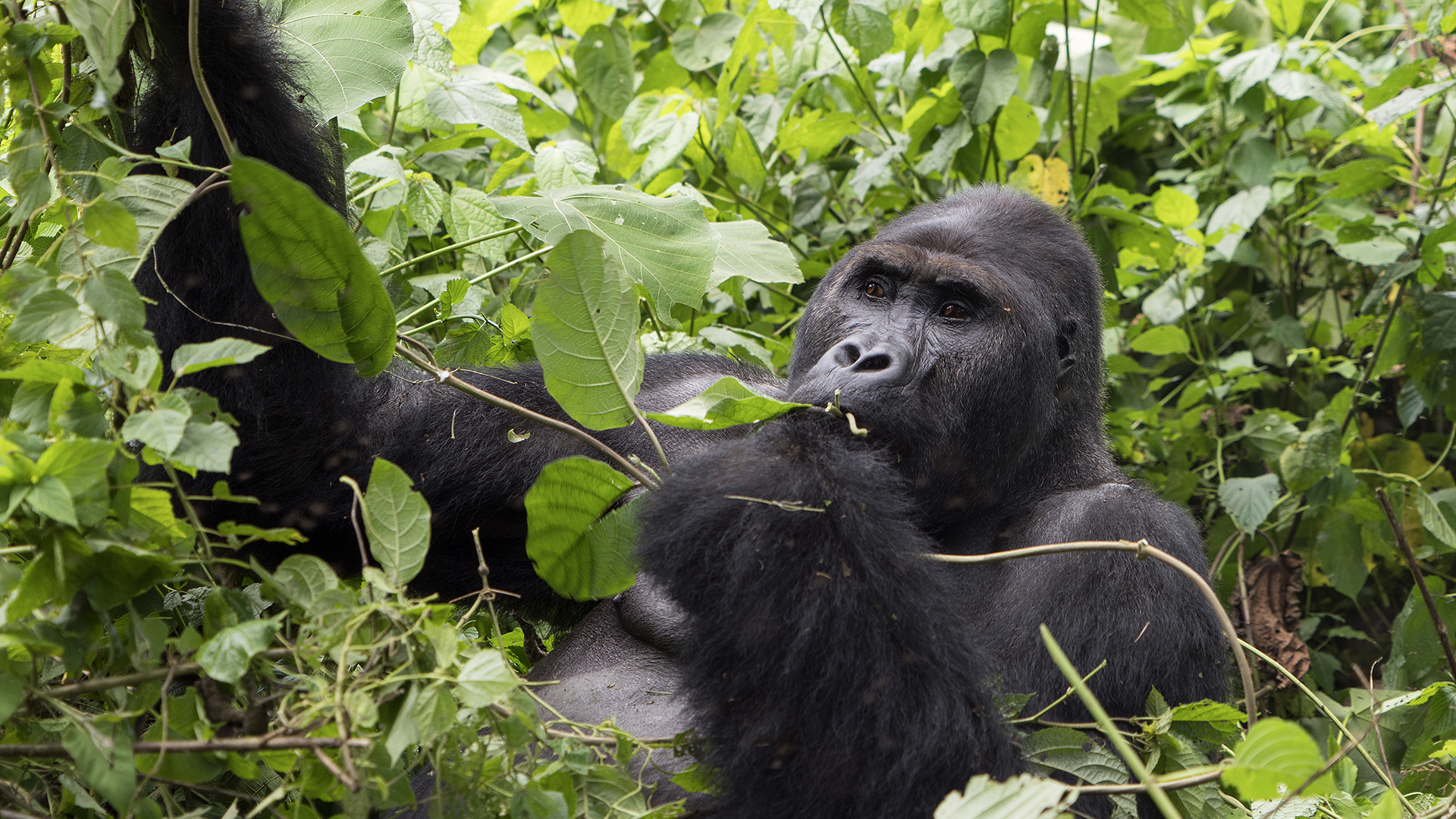
Just like the mountain gorillas, the eastern lowland gorillas are also a subspecies of the Eastern gorillas therefore share some distinct characteristics however these can be differentiated from the mountain gorillas due to their lighter and shorter fur. Unlike the mountain gorillas that live at high altitudes, the eastern lowland gorillas inhabit the lowland rain forests of the Democratic Republic of Congo at an elevation of between 600 to 2,900 above sea level.
The two best places to see the Eastern lowland gorillas is Kahuzi Biega national Park and Maiko national park both in the Eastern Democratic Republic of Congo.
-
Western lowland gorillas
The western lowland gorillas are a subspecies of the western gorillas. These are characterized by brownish fur and a reddish chest nut crown.
Western lowland gorillas live at an elevation of 800m above sea level in the swamps and montane forests of Central Africa and these can be seen in Gabon, Democratic Republic of Congo, Central African Republic, Equatorial Guinea, Angola and Cameroon. The largest of population of the western lowland gorillas is seen in the montane forests of the Democratic Republic of Congo in Odzala-Kokoua national park.
Despite existing in large numbers in the Democratic Republic of Congo, most of the western lowland gorilla groups are not fully habituated therefore are not safe for tourism however if visiting the western lowland gorillas is on your bucket list, the safest place to see these western lowland gorillas is Loango national park in Gabon.
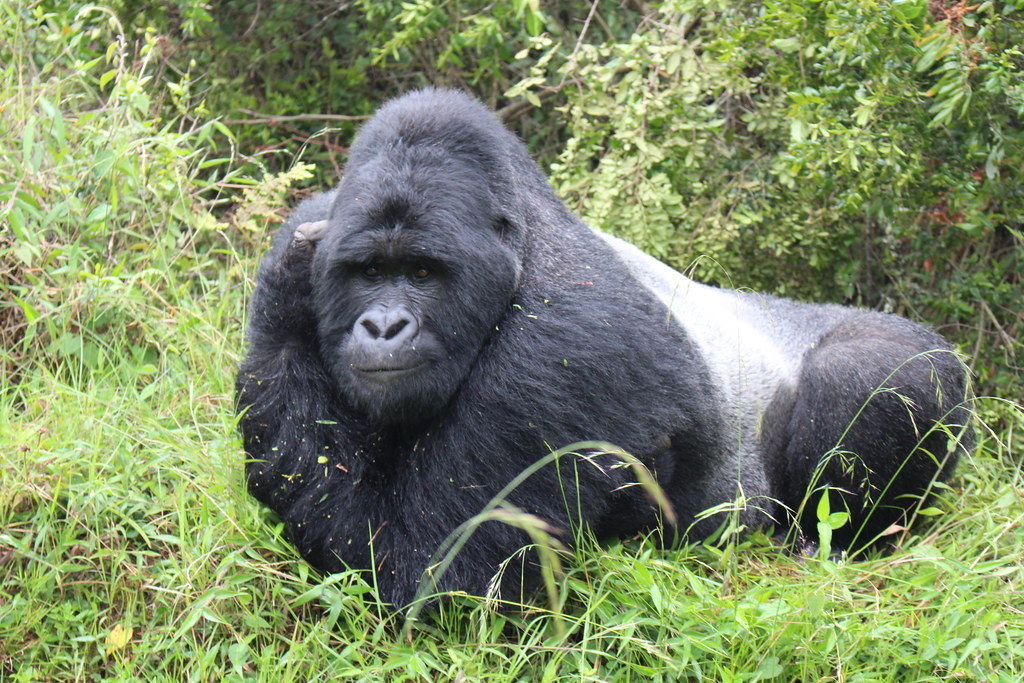 Just like the western lowland gorillas, the cross-river gorillas are also a subspecies of the western gorillas. Cross River gorillas inhabit the lowland montane forest at the border of Cameroon and Nigeria in the areas of Mbe Mountains in Cameroon, the Afi Mountains of Nigeria, Cross River National Park in Nigeria and Takamanda National Park in Cameroon.
The cross-river gorillas can be differentiated from the other species by their smaller bodies and narrower face. This species of mountain gorillas tends to live in highly human populated area which poses a great challenge to their survival since gorillas share a 98% DNA with humans therefore are prone to human diseases. As a result, the cross-river gorillas are the most endangered species of gorillas.